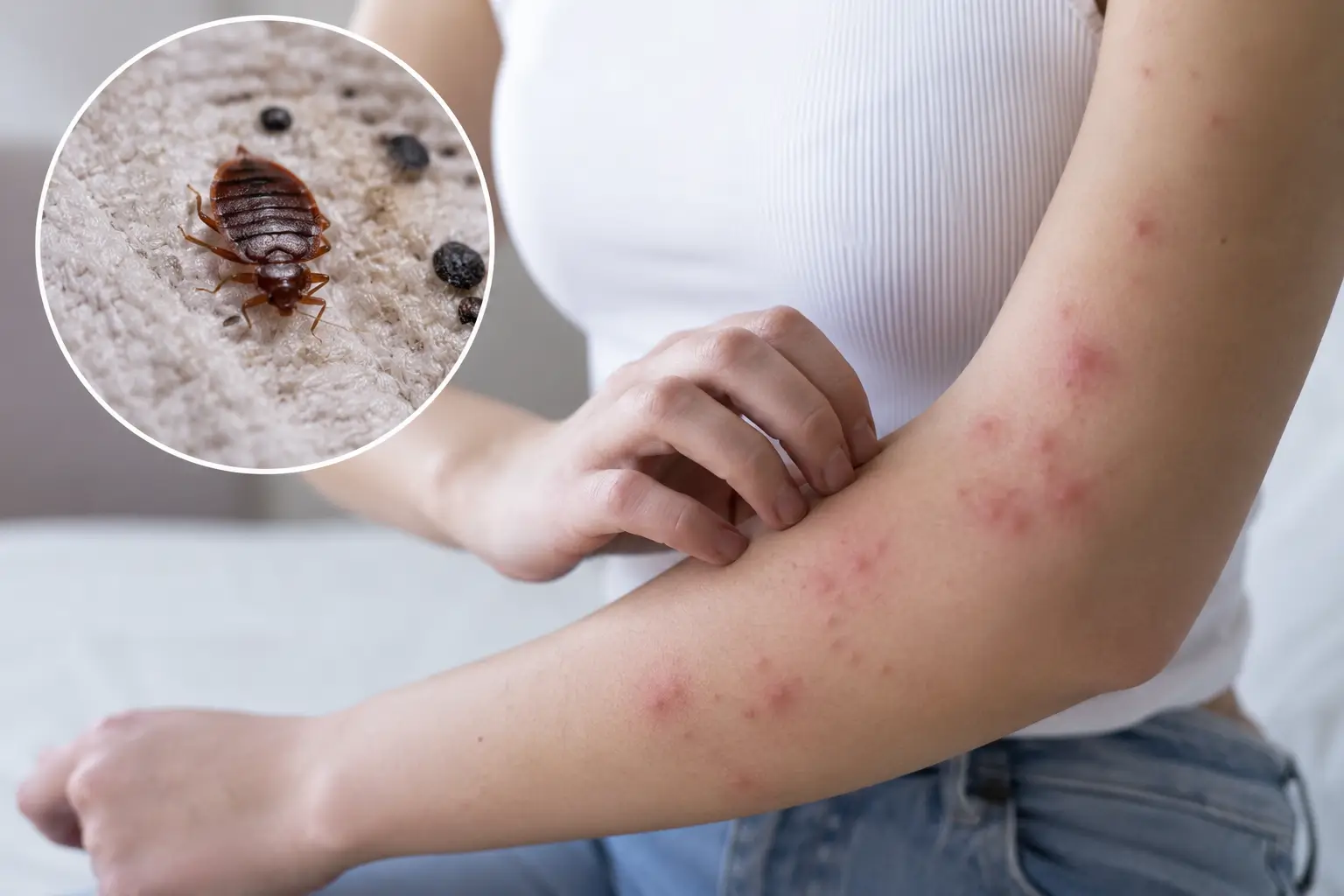
Bed bug bites can cause allergic reactions in a significant number of people, ranging from mild itching and redness to hives, blistering, and in rare cases, severe hypersensitivity. Reactions occur because bed bug saliva contains proteins that trigger the immune system. Symptoms typically appear within minutes to several days after a bite.
Quick Answer: Can Bed Bug Bites Cause Allergic Reactions?
- Check skin for clustered, red, itchy bumps in lines or zigzag patterns.
- Watch for swelling, hives, or blisters within 24–48 hours.
- Avoid scratching to prevent infection and scarring.
- Apply hydrocortisone cream and take an oral antihistamine for itching.
- Seek emergency care if you notice difficulty breathing or facial swelling.
- Wash all bedding in hot water above 120°F immediately.
- Contact a licensed pest control company to eliminate the infestation source.
What Happens When You’re Allergic to Bed Bug Bites?
A bed bug bite allergic reaction is the immune system’s response to proteins in bed bug saliva injected during feeding. Bed bugs (Cimex lectallius) bite exposed skin at night, releasing anticoagulant compounds that stop blood from clotting. The body treats these proteins as foreign invaders and releases histamine, causing redness, swelling, and itching.
About 30% of people show no visible reaction to bites, while others develop moderate to severe symptoms. Sensitivity increases with repeated exposure, so reactions often worsen over time. Understanding the common causes of bed bug infestations helps you address the root problem early.
What You Need to Identify and Treat a Reaction
Before treating bed bug bites, gather these basic supplies:
- A magnifying glass or flashlight to inspect the bite pattern
- Mild soap and water for cleaning affected skin
- Over-the-counter hydrocortisone cream (1%)
- An oral antihistamine such as diphenhydramine or cetirizine
- A cold compress or ice pack
- A digital camera or smartphone to document symptoms for a doctor
Having these items ready speeds up treatment and reduces the risk of secondary skin infection from scratching.
Bed Bug Bites: Allergic Reaction Symptoms and Response
Allergic reactions to bed bug bites range from mild itching to painful swelling, and the correct response depends on symptom severity. Allied Pest Control treats hundreds of bed bug infestations each year and confirms that bite reactions vary widely by individual immune sensitivity.
Understanding bed bug bites and how the body reacts helps you respond quickly and correctly. I will explain step by step below.
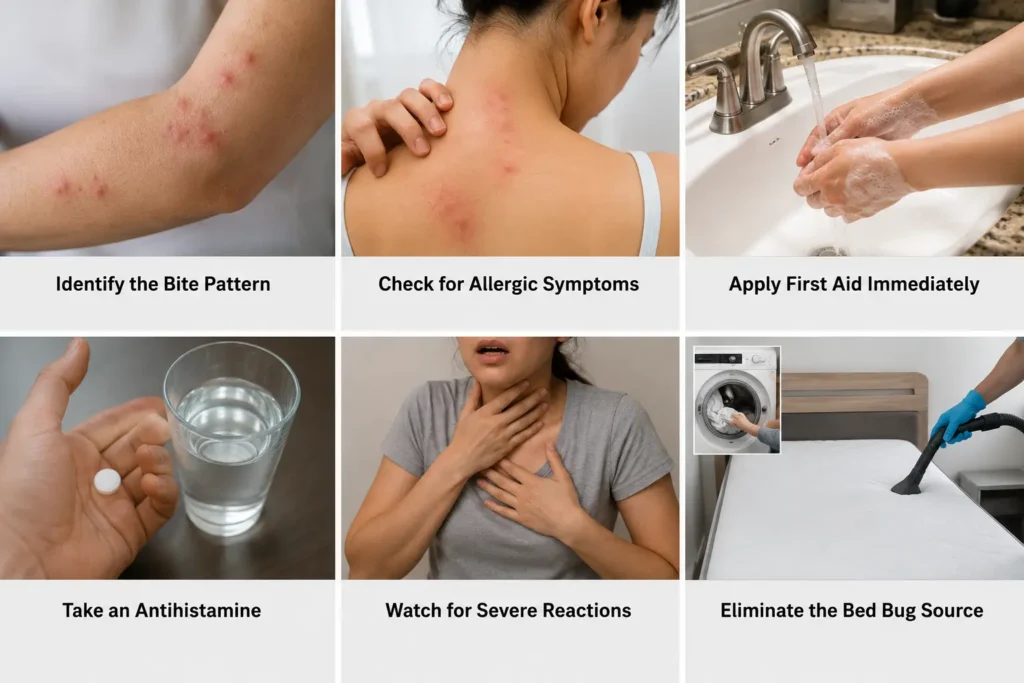
Step 1: Identify the Bite Pattern
Bed bug bites usually appear in clusters of three to five bumps arranged in a line or zigzag, often called “breakfast, lunch, and dinner” bites. They commonly appear on the arms, neck, face, and legs areas exposed while sleeping. Red, raised welts with a darker center point to bed bugs rather than other insects.
Step 2: Check for Allergic Symptoms
Allergic reactions produce symptoms beyond simple redness. Watch for:
- Swelling that extends beyond the bite itself
- Hives or raised welts spreading across the skin
- Blisters filled with clear fluid
- Intense itching that disrupts sleep
- Skin that feels warm or painful to touch
These signs indicate a moderate to strong immune response and require active treatment, not just observation.
Step 3: Apply First Aid Immediately
Wash the bitten area with mild soap and water to remove bacteria and reduce infection risk. Apply a cold compress for 10–15 minutes to reduce swelling. Follow with a thin layer of 1% hydrocortisone cream to calm inflammation and itching.
Step 4: Take an Antihistamine
Oral antihistamines block histamine receptors and reduce itching, swelling, and hives within 30–60 minutes. Non-drowsy options work well during the day; sedating formulas can help with nighttime itch relief. Follow the dosage instructions on the product label and consult a pharmacist if symptoms persist beyond 3 days.
Step 5: Watch for Severe Reactions
Severe allergic reactions to bed bug bites are rare but serious. Call emergency services immediately if you notice:
- Difficulty breathing or throat tightness
- Swelling of the lips, tongue, or face
- Dizziness or a rapid drop in blood pressure
- Widespread hives covering large areas of the body
These symptoms indicate anaphylaxis, a life-threatening reaction that requires immediate epinephrine and medical treatment.
Step 6: Eliminate the Bed Bug Source
Treating symptoms without removing the infestation guarantees repeat exposure. Wash all bedding, curtains, and clothing in water above 120°F, vacuum mattresses and furniture seams thoroughly, and encase mattresses in bed bug-proof covers for at least one year.
Persistent infestations require professional heat treatment or pesticide application from a licensed exterminator. For infestations in the UAE, professional bed bug pest control in Dubai offers heat treatments that eliminate bugs and eggs in a single visit.
How Long Does an Allergic Reaction to Bed Bug Bites Take?
Allergic reactions to bed bug bites can take anywhere from a few minutes to 9 days to appear, since sensitization timelines vary by individual. First-time bites often show no reaction for several days because the immune system hasn’t yet built antibodies against the saliva proteins. Repeated exposure shortens this window, and reactions in sensitized individuals can appear within minutes.
How Often Should You Check for Bed Bug Bites?
Check exposed skin daily during an active infestation, ideally each morning after waking. Inspect mattress seams, headboards, and furniture weekly using a flashlight to catch early signs of bed bug activity. Early detection reduces the number of bites and prevents the immune sensitization that leads to stronger allergic reactions over time.
Conclusion
Bed bug bites can trigger real allergic reactions ranging from mild itching to severe hypersensitivity, and recognizing symptoms early prevents complications. Clean the affected area, apply hydrocortisone, take an antihistamine, and monitor for signs of a serious reaction. If bites persist or the infestation spreads, contact Allied Pest Control for a professional inspection and treatment plan that removes the source of the problem permanently.
Frequently Asked Questions About Bed Bug Bites Allergic Reactions
What specific symptoms are present with a bed bug bite allergic reaction?
Bed bug bite allergic reaction symptoms include swelling, redness, hives, and occasionally fluid-filled blisters. Trouble breathing or facial swelling signals a severe reaction requiring emergency care.
How long ago did the bites or reaction start?
Bed bug bite reactions can start within minutes for sensitized individuals or take up to 9 days to appear in first-time cases. Timing depends on prior exposure history.
How do I tell if I’m allergic to bed bug bites?
You’re likely allergic to bed bug bites if you develop swelling, hives, or blistering beyond normal redness. Persistent itching and welts lasting more than a week also indicate sensitivity.
What kills bed bugs immediately?
Heat above 120°F kills bed bugs immediately, including eggs and adults. Steam cleaning, hot water laundering, and professional heat treatments provide fast, reliable elimination.
What smells do bed bugs hate?
Bed bugs hate strong scents like lavender, tea tree oil, and diatomaceous earth-treated areas. These smells repel bed bugs temporarily but don’t eliminate an active infestation.