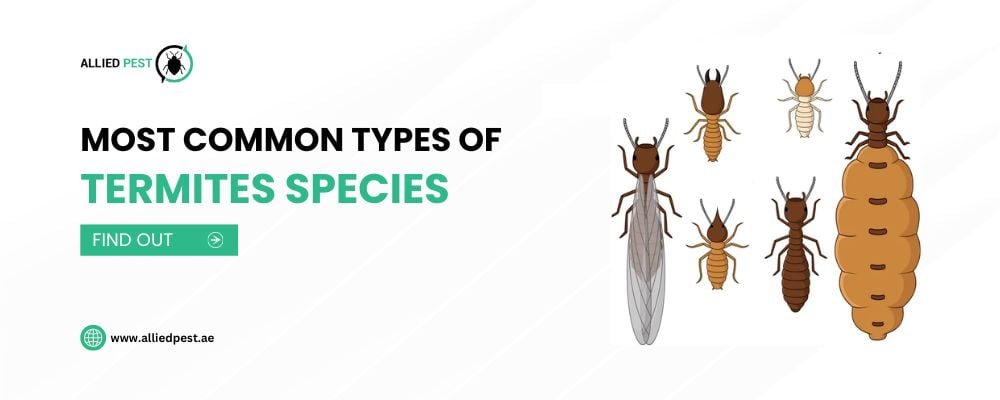
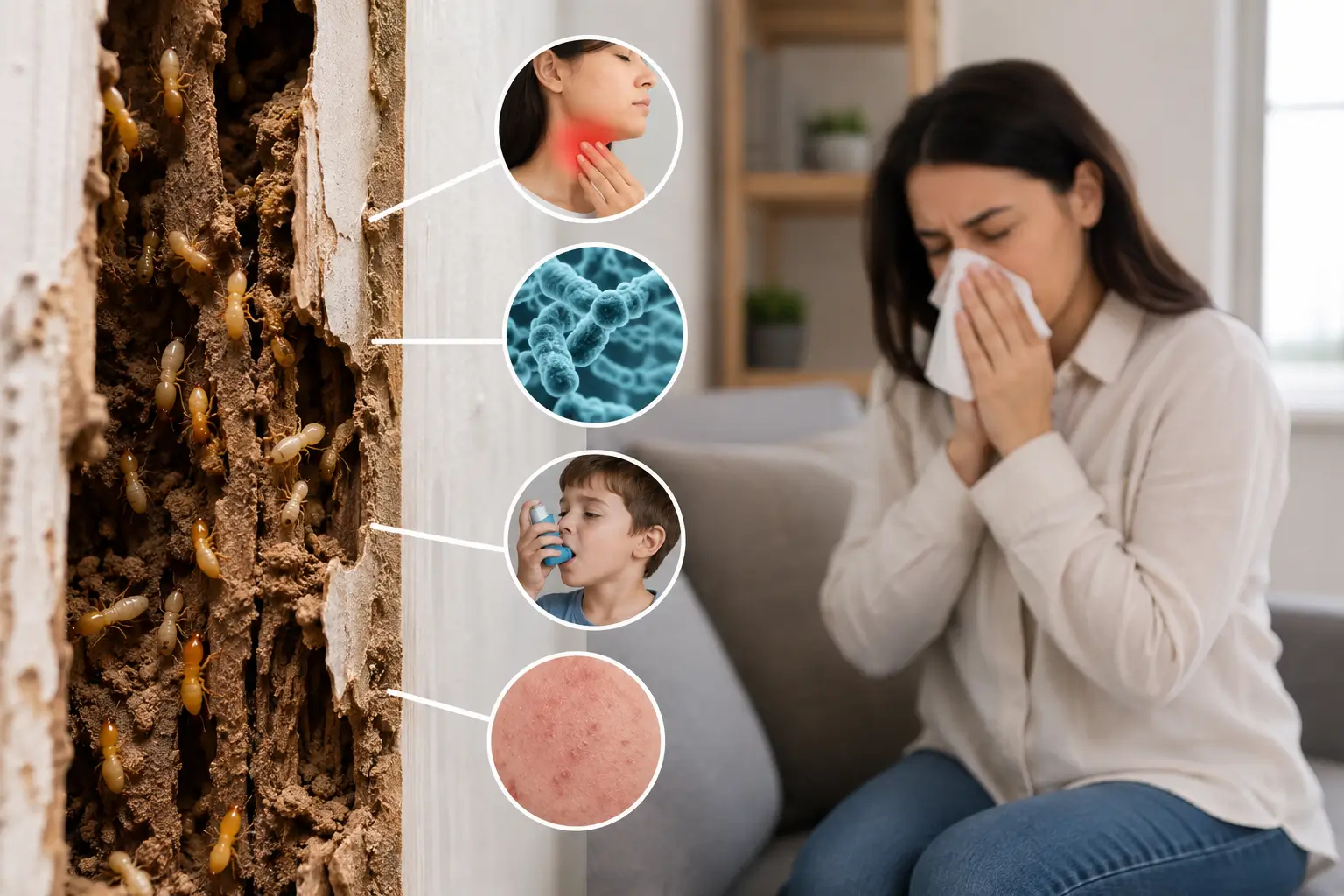
Termite infestations impact health risks in Dubai often go unnoticed because termites don’t bite or sting like other pests. Homeowners in Dubai frequently underestimate how termite infestations can affect indoor air quality, trigger allergies, and worsen asthma symptoms. This guide explains the direct and indirect ways termites threaten human health, plus practical steps to protect your family.
Quick Answer
Termites don’t directly cause disease, but their droppings, saliva, and the mold that grows from termite damage trigger allergies, asthma attacks, and respiratory issues. Structural damage also raises injury risk in homes with untreated infestations.
Do Termites Directly Affect Human Health?
Termites cause health problems mainly through indirect exposure, not through disease transmission. They don’t carry pathogens that infect humans the way mosquitoes or rodents do. Their impact comes from allergens, dust, and moisture damage that build up inside a home over time.
Are Termites Dangerous to Humans?
Termites pose a low direct danger but a real indirect one. They don’t attack people, spread viruses, or transmit bacterial infections through contact. The danger lies in prolonged exposure to termite droppings (frass), shed wings, and the mold that forms in damp, damaged wood.
Do Termites Bite People?
Soldier termites can bite if handled directly, but bites are rare and cause only minor, temporary irritation. Termites don’t seek out human contact and have no interest in feeding on skin. Bites typically happen only during manual inspection or removal.
Can Termites Spread Diseases?
Termites don’t spread diseases to humans. Unlike cockroaches or rodents, they don’t carry pathogens linked to salmonella, hantavirus, or similar illnesses. Their health risk comes entirely from allergens and environmental damage, not infection.
Direct vs Indirect Health Risks
Direct risks include rare bites and minor skin contact irritation. Indirect risks include allergic reactions, asthma flare-ups, poor indoor air quality, and injuries from weakened structures. In Dubai’s climate, indirect risks account for nearly all termite-related health complaints.
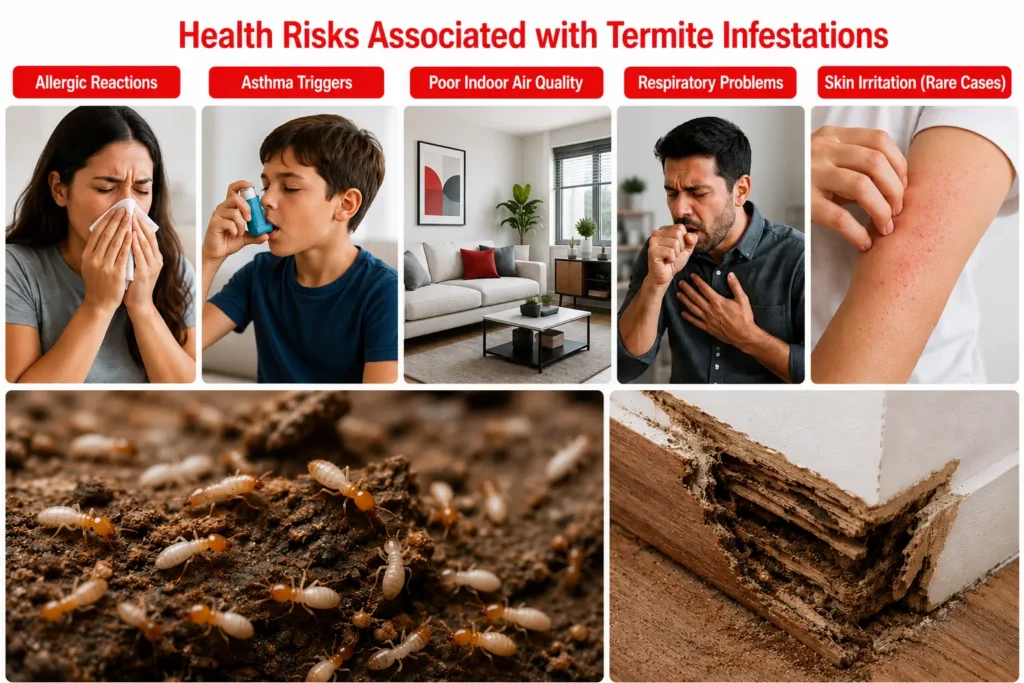
Health Risks Associated with Termite Infestations
Termite infestations in Dubai create several overlapping health hazards inside a home. These risks intensify the longer an infestation goes untreated.
Allergic Reactions
Termite infestations leave behind droppings and shed exoskeletons that contain proteins acting as allergens. Sensitive individuals experience sneezing, itchy eyes, and skin rashes after prolonged exposure. These allergens accumulate in wall voids, insulation, and flooring near infested wood.
Asthma Triggers
Airborne termite particles irritate the bronchial airways of asthma sufferers. Dust from tunneling activity mixes with household air and settles into HVAC systems. This dust circulates repeatedly through air conditioning, a major concern in Dubai homes that run AC year-round.
Poor Indoor Air Quality
Termite infestations degrade indoor air quality through dust, frass, and mold spores. Wood-boring activity releases fine particulates that standard air filters don’t always capture. Homes with active infestations often show higher indoor particulate counts than uninfested homes.
Respiratory Problems
Chronic exposure to termite dust and mold spores causes coughing, throat irritation, and shortness of breath. People with pre-existing lung conditions face amplified symptoms. Respiratory issues often improve within weeks after professional termite infestations treatment and cleanup.
Skin Irritation (Rare Cases)
Direct handling of termite-infested wood occasionally causes mild skin irritation or rash. This reaction results from contact with termite secretions or mold on damaged surfaces. Wearing gloves during any inspection or cleanup prevents this rare but avoidable issue.
How Termite Damage Can Create Health Hazards
The structural damage termites cause often creates secondary health hazards worse than the termites themselves.
Moisture and Mold Growth
Termites thrive in moist wood, and their tunnels trap humidity inside walls and floors. This trapped moisture feeds mold colonies that release spores into indoor air. Dubai’s high humidity months (June through September) accelerate this mold growth significantly.
Structural Damage That Increases Injury Risk
Termites hollow out support beams, flooring, and door frames over 3 to 6 months of sustained feeding. Weakened structures increase the risk of collapsed flooring or falling debris. Severe infestations left untreated for over a year can compromise load-bearing elements.
Dust and Airborne Particles
Active termite colonies generate fine wood dust as they tunnel through timber. This dust settles on furniture, bedding, and air vents throughout the home. Airborne particles remain a constant irritant for anyone with respiratory sensitivity.
Hidden Bacteria and Contaminants
Damp, termite-damaged wood becomes a breeding ground for bacteria alongside mold. These contaminants concentrate in wall cavities and under flooring where moisture collects. Removing damaged wood promptly limits bacterial growth before it spreads further.
Can Termites Cause Allergies?
Yes, termites cause allergic reactions in sensitive individuals through their droppings, saliva, and shed body parts. These allergens function similarly to dust mite or cockroach allergens, triggering the immune system on contact or inhalation.
Allergens Found in Termite Droppings
Termite frass contains proteins that the human immune system identifies as foreign invaders. Repeated exposure sensitizes the respiratory and immune systems over time. This sensitization explains why long-term infestations cause worsening symptoms compared to new ones.
Symptoms to Watch For
- Sneezing
- Runny nose
- Coughing
- Itchy eyes
- Wheezing
Can Termites Trigger Asthma?
Yes, termite allergens trigger asthma attacks in sensitive individuals by irritating airway linings. Airborne dust and frass particles act as bronchial irritants, prompting inflammation and constriction in the lungs.
Why Asthma Patients Are More Vulnerable
Asthma patients have hyperreactive airways that respond strongly to airborne irritants. Termite dust adds to the existing burden of dust mites, pollen, and pet dander already present indoors. This combined allergen load increases attack frequency and severity.
Scientific Findings on Indoor Allergens
Indoor air quality studies consistently link insect allergens to increased asthma symptoms in enclosed, air-conditioned homes. Enclosed environments like Dubai villas and apartments trap allergens more than naturally ventilated homes. Poor air circulation compounds the problem during peak infestation periods.
Children and Older Adults at Greater Risk
Children have smaller, more reactive airways, making them more susceptible to indoor allergens. Older adults often have reduced lung capacity and existing respiratory conditions. Both groups show faster symptom onset when exposed to termite-contaminated air.
Who Is Most at Risk from a Termite Infestation?
Children
Developing immune and respiratory systems make children more sensitive to allergens and dust.
Elderly Individuals
Reduced lung function and weaker immune responses increase vulnerability to indoor air contaminants.
People with Asthma
Existing airway inflammation worsens quickly when exposed to termite dust and mold spores.
Allergy Sufferers
Pre-sensitized immune systems react faster and more intensely to termite allergens.
Immunocompromised Individuals
Weakened immune defenses struggle to manage exposure to mold and bacterial contaminants from termite damage.
Warning Signs That Your Termite Infestation May Be Affecting Health
Some health symptoms point directly to hidden termite infestations. Watch for these warning signs alongside physical evidence of infestations.
Persistent Allergy Symptoms Indoors
Symptoms that improve when you leave home and return when you’re back indoors signal an indoor allergen source.
Increased Dust Around Wooden Structures
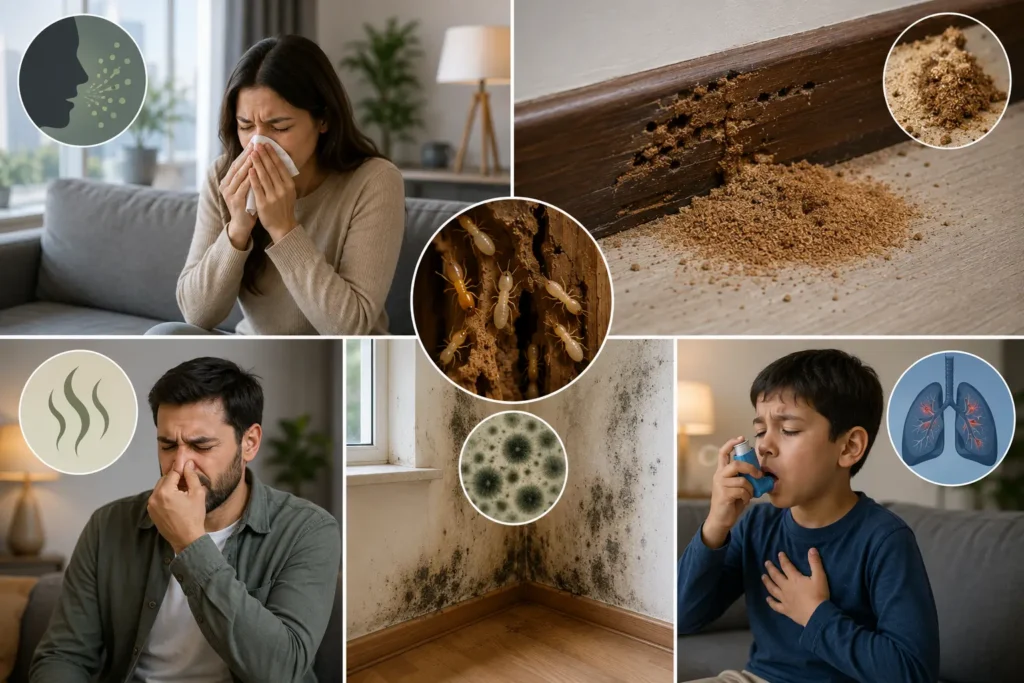
Fine, sawdust-like piles near baseboards or furniture indicate active termite tunneling nearby.
Musty Odors
A persistent damp, earthy smell points to mold growth inside termite-damaged wood.
Visible Mold Growth
Dark spots on walls, ceilings, or flooring near wood structures confirm moisture and mold problems.
Worsening Respiratory Issues
Coughing or wheezing that intensifies at home but eases elsewhere suggests airborne termite-related irritants.
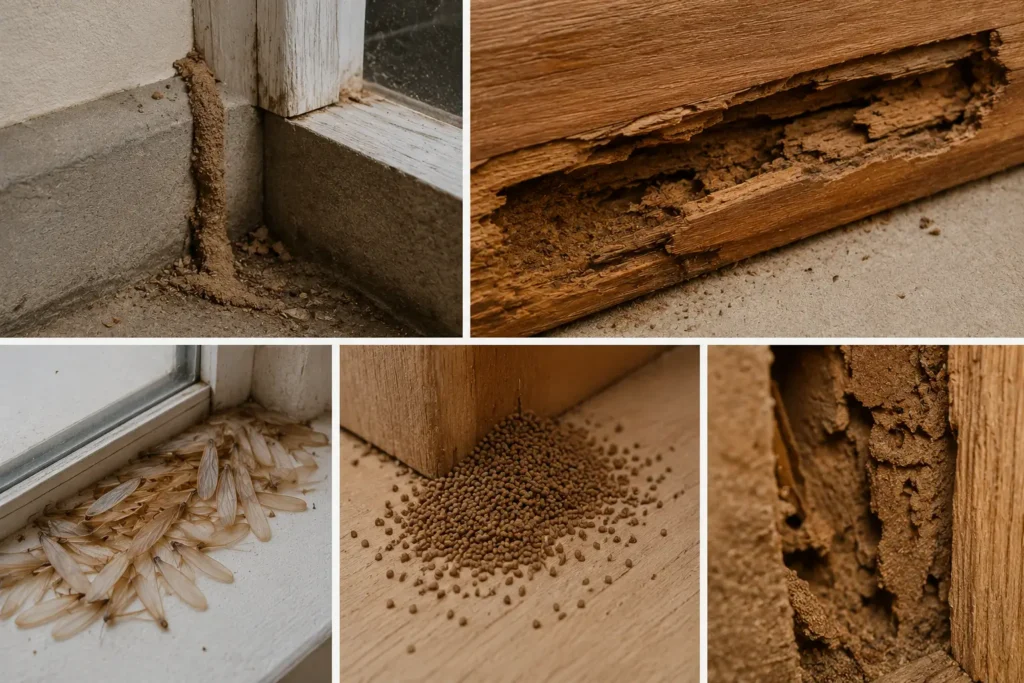
Common Signs of a Termite Infestation
Knowing the early signs of termites helps you act before damage spreads. Look for these common indicators throughout your home.
Mud Tubes
Pencil-width tunnels made of soil and saliva run along foundations and walls, protecting termite infestations as they travel.
Hollow Wood
Wood that sounds hollow when tapped has likely been eaten from the inside out.
Discarded Wings
Piles of small, uniform wings near windowsills signal a recent termite swarm.
Frass (Termite Droppings)
Tiny, pellet-like droppings near wood structures indicate drywood termite activity.
Clicking Sounds in Walls
Soldier termites make faint clicking noises when disturbed, audible in quiet rooms.
How to Reduce Health Risks from Termites
Schedule Professional Inspections
Book a termite inspection service in Dubai at least once a year to catch infestations early.
Eliminate Moisture Problems
Fix leaking pipes and improve drainage around the foundation to remove conditions termites need to survive.
Improve Indoor Ventilation
Increase airflow and use HEPA air filters to reduce airborne allergens and dust concentration.
Repair Damaged Wood
Replace hollowed or weakened wood promptly to remove mold sources and structural hazards.
Remove Mold Promptly
Clean visible mold with appropriate treatments and address the moisture source causing it.
Keep the Home Clean After Treatment
Vacuum and dust thoroughly after termite infestation treatment in Dubai to remove residual allergens.
When Should You Call a Pest Control Professional?
Early Infestation
Contact a professional the moment you spot mud tubes, discarded wings, or frass.
Severe Structural Damage
Hollow beams or sagging floors require immediate professional assessment and repair.
Recurring Infestations
Repeated termite activity after treatment signals an unresolved entry point or moisture issue.
Health Symptoms Linked to Indoor Air Quality
Persistent allergy or asthma symptoms tied to your home warrant both a pest inspection and an air quality check.
Preventing Future Termite Infestations
Reduce Wood-to-Soil Contact
Keep wooden structures at least 18 inches above soil level to limit termite access.
Seal Entry Points
Caulk cracks in foundations and around utility lines where termites enter.
Fix Plumbing Leaks
Repair leaks within 48 hours to prevent the moisture buildup termites need to thrive.
Store Firewood Properly
Keep firewood at least 20 feet from your home and off the ground.
Annual Termite Inspections
Schedule a professional termite inspection Dubai visit every 12 months to catch new activity early.
Frequently Asked Questions
Can termites make you sick?
Termites don’t cause illness directly, but their droppings and the mold from termite damage trigger allergies, asthma, and respiratory irritation.
Is it safe to stay in a house with termites?
Staying is generally safe short-term, but prolonged exposure to termite dust and mold increases health risks, especially for allergy and asthma sufferers.
Do termite droppings affect human health?
Yes, termite frass contains allergenic proteins that trigger sneezing, coughing, and skin irritation in sensitive people.
Can termites trigger asthma attacks?
Yes, airborne termite dust and allergens irritate airways and can trigger asthma attacks in sensitive individuals.
Are termites harmful to pets?
Termites don’t directly harm pets, but pets can inhale the same dust and mold allergens that affect humans.
Can termites contaminate food?
Termites don’t target stored food, but they can compromise cabinetry and pantry structures, allowing mold and bacteria to spread nearby.
How long does a termite infestation take to become dangerous?
Health risks typically build over 3 to 6 months as moisture damage, mold, and allergen levels increase inside the home.
Should I leave my home during termite treatment?
Most treatments allow you to stay, but professionals may recommend leaving for a few hours during fumigation or chemical application.
Conclusion
Termite health risks in Dubai extend far beyond structural damage. Allergies, asthma triggers, poor indoor air quality, and mold exposure all stem from infestations left unaddressed. Early inspection and prompt treatment protect both your home’s structure and your family’s health. Contact Allied Pest Control today to schedule a professional termite inspection in Dubai and eliminate these risks before they escalate.