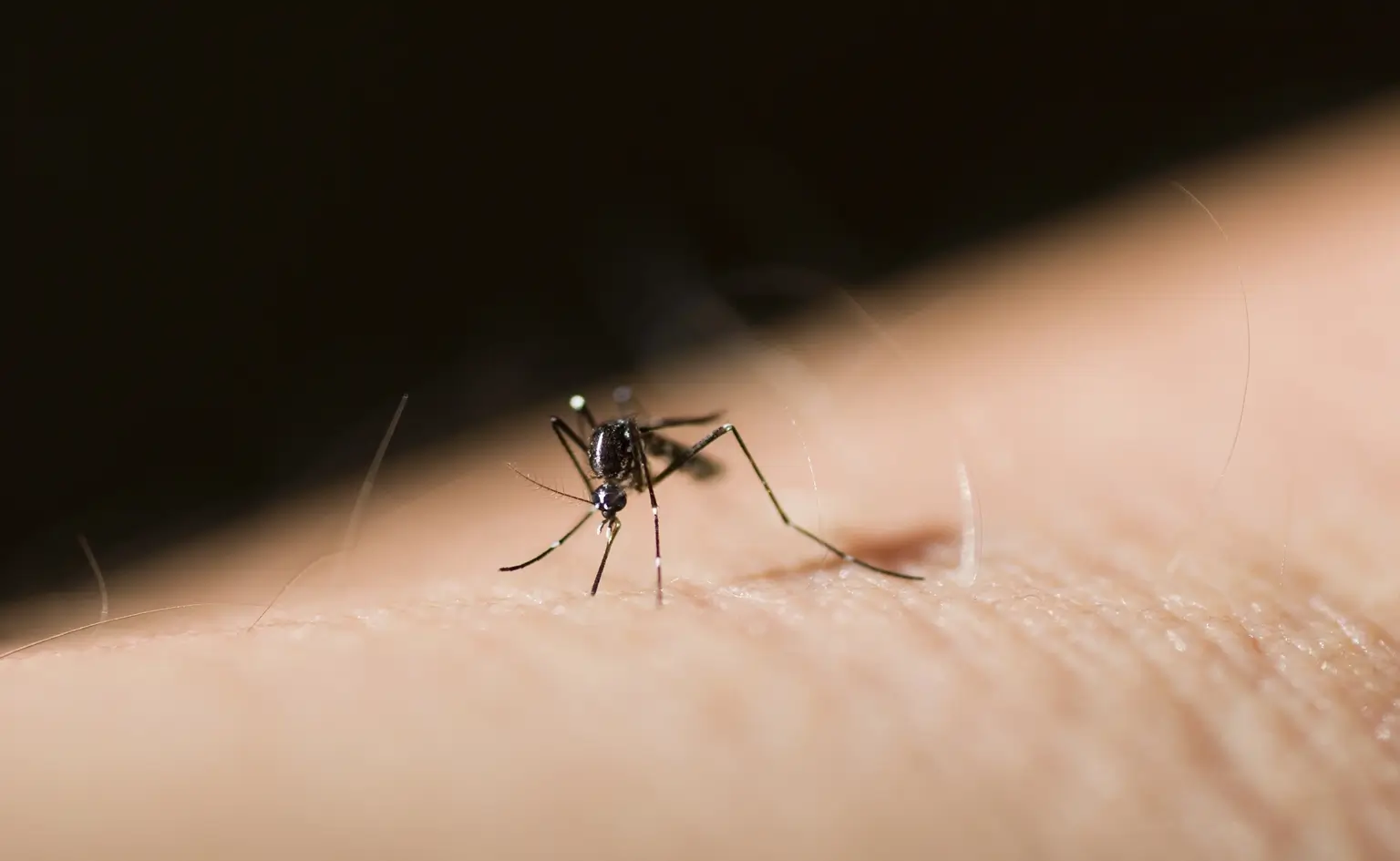
Preventing dengue fever in Dubai requires consistent, targeted action against Aedes aegypti mosquitoes, the primary carrier active in the UAE. Dubai’s warm climate and standing water from construction sites and irrigation create ideal breeding conditions year-round. Residents and visitors must combine personal protection, home sanitation, and professional pest control to stay safe.
Quick Answer to Prevent Dengue Fever in Dubai
To prevent dengue fever in Dubai, stop mosquito bites by using insect repellent, wearing long-sleeved clothing, and installing window screens. Remove standing water around homes where mosquitoes breed, and keep indoor areas clean and well-ventilated to reduce mosquito activity.
Here are quick prevention tips for Dengue Fever in Dubai:
| Task | Method | Frequency | Time Needed |
| Remove standing water | Empty pots, trays, containers | Every 3–5 days | 10–15 minutes |
| Apply insect repellent | DEET 20–30% or Picaridin spray | Daily (outdoors) | 2 minutes |
| Use mosquito nets | Permethrin-treated bed nets | Nightly | 1-minute setup |
| Professional fogging | Licensed pest control service | Monthly (peak season) | 1–2 hours |
| Window/door screening | Fine-mesh insect screens | One-time install | 2–4 hours |
| Wear protective clothing | Long sleeves, light colours | Every outing at dusk/dawn | Instant |
Why Is Dengue Fever Risk High in Dubai?
Dubai sits in a subtropical desert climate with temperatures between 25°C and 45°C for most of the year. The Aedes aegypti mosquito thrives in this warmth and breeds rapidly in small collections of stagnant water, including flower pots, air conditioning drip trays, blocked gutters, and uncovered water tanks. Rapid urbanisation, large-scale construction, and dense residential communities in areas like Dubai Marina, Jumeirah, and Deira increase the density of potential breeding sites.
The Dubai Health Authority (DHA) and Dubai Municipality conduct regular spraying campaigns, but they cannot reach every corner of every home. Individual prevention remains the single most effective layer of defence.
What are the Main Warning Signs of Dengue?
At Allied Pest Control, we believe every Dubai resident should recognise dengue symptoms early because fast diagnosis saves lives. “If you’re not familiar with the signs, here’s how to stop mosquito bites in Dubai. Contact professionals immediately for effective assistance.” I will explain each sign step by step, given below.
Sudden High Fever (40°C / 104°F)
Dengue fever strikes fast. Body temperature spikes to 40°C within 24–48 hours of infection. Unlike a regular flu, this fever does not respond well to standard paracetamol and returns in waves. Seek a DHA-registered clinic immediately if fever persists beyond 48 hours.
Severe Headache and Pain Behind the Eyes
Dengue causes intense pressure-type headaches, especially behind the eyes. This retro-orbital pain worsens with eye movement. It is one of the most distinctive early markers of dengue and separates it from common viral fevers.
Muscle and Joint Pain (“Breakbone Fever”)
Dengue earns the nickname “breakbone fever” because of the extreme muscle, bone, and joint pain it produces. Pain concentrates in the lower back, legs, and joints. Patients often cannot walk or stand without significant discomfort during peak illness.
Skin Rash
A flat, red rash typically appears 2–5 days after fever onset. It spreads from the torso outward to the arms and legs. The rash may itch and indicates the immune system is actively responding to the dengue virus.
Nausea and Vomiting
Persistent nausea and vomiting (3 or more times in 24 hours) signal that dengue is progressing. This symptom leads to rapid dehydration in Dubai’s hot climate. Oral rehydration salts (ORS) and medical supervision are essential at this stage.
Bleeding Gums or Nose
Unexplained bleeding from the gums, nose, or under the skin (tiny red spots called petechiae) signals severe dengue or dengue hemorrhagic fever. This is a medical emergency. Go to an emergency room immediately; do not wait for the next day.
Fatigue and Rapid Drop in Platelet Count
Extreme fatigue combined with a platelet count below 100,000/µL (normal is 150,000–400,000/µL) means dengue is in an advanced stage. Only a blood test confirms platelet levels. DHA clinics across Dubai offer same-day dengue NS1 antigen tests.
7 Tips to Eliminate Dengue Fever in Dubai?
Step 1: Eliminate All Standing Water Around Your Home
Aedes aegypti mosquitoes breed in as little as one teaspoon of stagnant water. Inspect your entire property every 3–5 days and:
- Empty and scrub flower pot saucers, bird baths, and plant trays.
- Clear and flush air conditioning drip lines and collection pans weekly.
- Cover water storage tanks with tight-fitting lids.
- Fill or drain any puddles, low-lying areas, or blocked drains near your building.
- Remove unused tyres, buckets, and containers that collect rainwater or irrigation runoff.
Step 2: Apply EPA-Registered Mosquito Repellents Daily
Use one of these proven, DHA-approved repellent active ingredients:
| Repellent | Protection Duration | Best For |
| DEET 20–30% | 4–6 hours | Adults, outdoor workers |
| Picaridin 20% | 4–8 hours | Adults, sensitive skin |
| IR3535 | 2–4 hours | Mild activity, indoors |
| Oil of Lemon Eucalyptus (OLE) | 3–4 hours | Adults (not under 3 years) |
Apply repellent to all exposed skin after applying sunscreen. Reapply every 4 hours when sweating heavily in Dubai’s heat.
Step 3: Install and Maintain Window and Door Screens
Install fine-mesh insect screens (minimum 1.2mm mesh size) on all windows, doors, and ventilation openings. Repair any holes or tears immediately. Aedes mosquitoes are strong fliers and will exploit any gap larger than 2mm to enter your home.
Step 4: Use Permethrin-Treated Clothing and Bed Nets
Permethrin is a contact insecticide that kills mosquitoes on contact with fabric. Apply Permethrin spray to clothing, shoes, and gear, never directly on skin. Permethrin-treated clothing remains effective for up to 6 washes. Use permethrin-treated bed nets in bedrooms lacking screens or air conditioning.
Step 5: Time Your Outdoor Activities Carefully
Aedes aegypti mosquitoes bite most aggressively between sunrise (5:30–8:00 AM) and sunset (5:30–7:30 PM) in Dubai. During these windows:
- Wear long-sleeved shirts and long trousers in light colours (mosquitoes target dark fabrics preferentially).
- Avoid heavily vegetated or shaded outdoor areas near standing water.
- Stay indoors or in air-conditioned spaces when mosquito activity peaks.
Step 6: Use Indoor Mosquito Control Products
Deploy these products inside your home for an added protection layer:
- Electric mosquito mats (Good Knight, Mortein brands): plug-in repellent mats work for 8–12 hours per mat.
- Pyrethroid-based aerosol sprays: spray inside closed rooms 30 minutes before occupying, then ventilate.
- Mosquito coils: effective for open areas and outdoor patios; use in well-ventilated spaces only.
Step 7: Schedule Professional Mosquito Control Treatment
DIY methods reduce individual mosquitoes but cannot address breeding populations at scale. A licensed pest control company in Dubai delivers:
- Residual surface spraying: Pyrethroid insecticides applied to walls, furniture undersides, and dark resting zones eliminate adult mosquitoes at rest.
- Larviciding: Bacillus thuringiensis israelensis (BTi), a biological larvicide, targets larvae in water bodies that cannot be drained (ornamental ponds, drainage channels).
- ULV cold fogging: Ultra-low volume fogging disperses fine insecticide mist to knock down adult mosquito populations across large outdoor areas rapidly.
For expert Mosquito Control in Dubai, contact Allied Pest Control, a DMA-licensed operator delivering residential and commercial mosquito management across all Dubai districts.
How Long Does Dengue Fever Last?
Dengue fever lasts 7–10 days in most cases. The illness progresses through three distinct phases:
- Febrile Phase (Days 1–3): High fever, headache, muscle pain, and rash onset. Stay hydrated and monitor temperature.
- Critical Phase (Days 4–6): Fever may drop, but platelet count falls sharply. Severe dengue risk is highest in this window. Daily blood tests are essential during this phase.
- Recovery Phase (Days 7–10): Platelets recover and appetite returns. Post-dengue fatigue may persist for 2–4 weeks.
There is no antiviral treatment for dengue. Treatment is supportive: rest, 3+ litres of fluid daily, and paracetamol for fever. Never take ibuprofen or aspirin these increase bleeding risk significantly.
Conclusion
Preventing dengue fever in Dubai requires a layered, consistent approach: eliminate every breeding site, apply proven repellents daily, install physical barriers, and reinforce protection with professional mosquito treatment. Dubai’s year-round warmth means dengue risk never fully disappears, but it is entirely preventable with the right plan in place.
For expert mosquito control in Dubai, trust Allied Pest Control Dubai’s licensed specialists in residential and commercial mosquito management. Our DMA-certified technicians use residual spraying, BTi larviciding, and ULV fogging to protect your home and family from dengue-carrying mosquitoes throughout the year.
Frequently Asked Questions (FAQ)
Which month is dengue season in Dubai?
Dengue season in Dubai peaks between June and October, when elevated heat and humidity accelerate Aedes mosquito breeding. Risk remains moderate year-round due to Dubai’s consistently warm climate.
Do I need mosquito spray in Dubai?
Mosquito spray is strongly recommended for anyone spending time outdoors in Dubai. DEET 20–30% or Picaridin 20% provides 4–8 hours of reliable protection against dengue-carrying Aedes mosquitoes.
Is dengue a problem in Dubai?
Dengue is a genuine and documented health concern in Dubai. The Dubai Health Authority records local transmission cases annually, with construction zones and dense residential neighbourhoods posing the highest exposure risk.
How many days does dengue fever last?
Dengue fever typically lasts 7–10 days from onset. The critical phase between days 4–6 carries the highest risk of severe complications as platelet counts drop sharply.
Which mosquito’s bite causes dengue fever?
Dengue fever is transmitted exclusively by the Aedes aegypti mosquito and, secondarily, Aedes albopictus. These species bite primarily during daytime hours, unlike the common night-biting house mosquito.