Introduction
Mosquitoes are more than a seasonal annoyance. In Dubai and across the UAE, they pose a genuine public health threat, carrying diseases like dengue fever, chikungunya, and West Nile virus. With the region’s warm climate and year-round humidity, mosquito breeding can happen in your backyard, on your balcony, or even inside your home without you noticing.
The good news? Most mosquito breeding is entirely preventable. You don’t need to wait for an infestation to take action. A few consistent habits and targeted interventions are all it takes to protect your family.
Quick Answer
To prevent mosquito breeding at home, remove all standing water from containers, flower pots, and drains every week. Cover water storage tanks with tight-fitting lids, clean AC drainage trays regularly, and maintain garden hygiene. Treat ornamental water features with larvicide and install mesh screens on windows and doors.
What Causes Mosquito Breeding?
Understanding where mosquitoes breed helps you eliminate the problem at its source. Female mosquitoes lay eggs in or near stagnant water, and they need surprisingly little of it.
Common mosquito breeding sources in and around the home include:
Standing Water: Any container that holds water for more than 7 days becomes a breeding ground. This includes buckets, tyres, flower pot saucers, and even bottle caps.
Blocked Drains: Slow or clogged drains accumulate moisture and organic debris, creating ideal conditions for larvae to develop.
Plant Pots and Trays: Overwatered plants leave stagnant water in saucers beneath pots. This is one of the most overlooked breeding sites inside homes.
AC Drainage Trays: Air conditioning units produce condensation constantly. If the drainage tray is not emptied regularly, it becomes a prime mosquito nursery.
Uncovered Water Tanks: Open or poorly sealed water storage tanks provide direct access for egg-laying female mosquitoes.
Roof Gutters: Blocked gutters collect rainwater and leaf debris for weeks, offering mosquitoes a protected, undisturbed breeding environment.
Effective Ways to Prevent Mosquito Breeding at Home
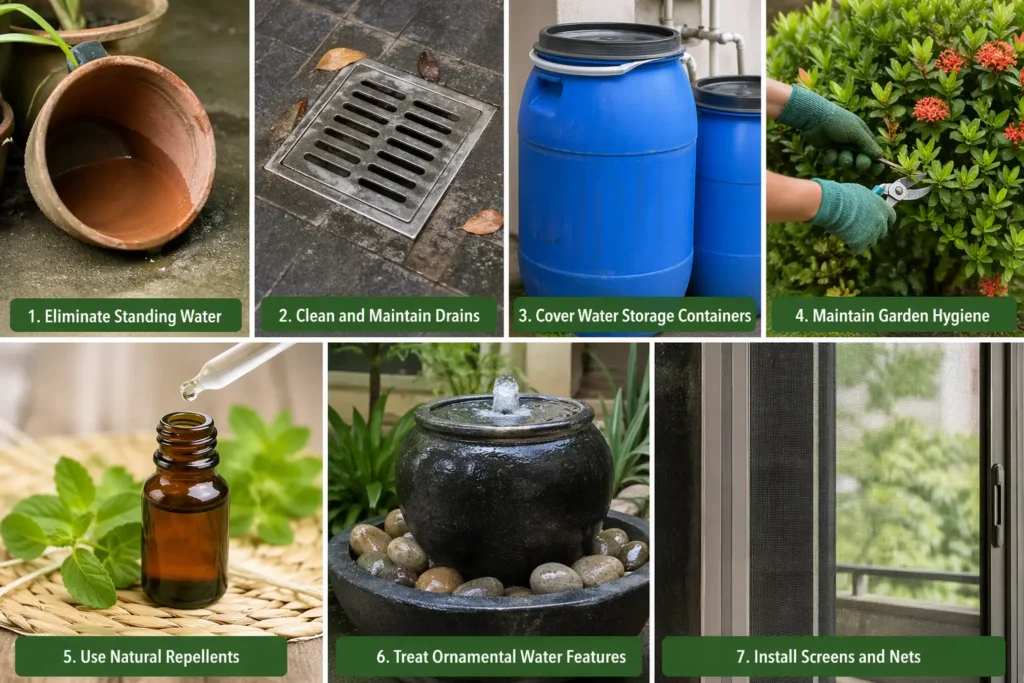
1. Eliminate Standing Water
This is the single most effective step in mosquito prevention. Walk your property at least twice a week and empty every container that holds water, such as water buckets, plant saucers, unused containers, and garden ornaments.
After emptying, scrub the inside of containers with a stiff brush. Mosquito eggs stick to container walls and survive drying. Simply draining water is not enough; physical scrubbing destroys the eggs before they can hatch.
2. Clean and Maintain Drains
Inspect all indoor and outdoor drains weekly. Clear any leaf build-up, organic debris, or blockages that cause water to pool. Slow-moving or blocked drains are high-risk breeding zones.
Pour a diluted bleach solution or a biological drain treatment into drains monthly to kill any existing larvae. Ensure outdoor drains have functional covers with fine mesh to block mosquito access.
3. Cover Water Storage Containers
All water storage tanks, rain barrels, and cisterns must have tight-fitting, hole-free lids at all times. Use a cover with a mesh lining of 1.2mm or finer to allow ventilation without allowing mosquito entry.
Check lids and seals every two weeks for cracks, gaps, or damage. A compromised lid on a large water tank can result in thousands of larvae developing undetected.
4. Maintain Garden Hygiene
Overgrown grass, dense shrubs, and piles of dead leaves are not just untidy; they are mosquito resting habitats. Adult mosquitoes shelter in cool, humid vegetation during the day and emerge to feed and breed at dusk.
Mow your lawn weekly, keeping the grass below 5 cm. Trim hedges and shrubs regularly, and remove fallen leaves and organic debris from garden beds. A well-maintained garden significantly reduces the number of adult mosquitoes resting on your property.
5. Use Natural Repellents
Several plants naturally repel mosquitoes and can be grown in pots on balconies, patios, and near entry points. Effective options include:
- Citronella grass: contains citronellal, a natural mosquito deterrent
- Lavender: repels mosquitoes through its linalool content
- Basil: emits volatile oils that mosquitoes avoid
- Neem: widely used in tropical regions for natural pest control
Neem oil spray, diluted at 2% in water, can also be applied to garden plants and soil as a contact larvicide. It is non-toxic to humans and pets and breaks down naturally in the environment.
6. Treat Ornamental Water Features
Garden ponds, decorative fountains, and bird baths cannot always be drained. Treat these with Bacillus thuringiensis israelensis (Bti) larvicide sold commercially as Mosquito Dunks. Bti is a naturally occurring bacterium that kills mosquito larvae without harming fish, birds, frogs, or pets.
Apply one Bti dunk per 100 square feet of water surface area every 30 days. This single monthly step can eliminate an entire generation of larvae before they reach adulthood.
7. Install Screens and Nets
Physical barriers are one of the most reliable long-term prevention strategies. Install 1.2mm fibreglass or aluminium mesh screens on all windows, doors, and ventilation openings.
Check screens every month for tears or gaps. Apply weather stripping around door frames and use door sweeps to seal the floor gap. These barriers keep mosquitoes from entering the home even during peak evening activity hours.
Mosquito Breeding Sources and Prevention Methods
| Breeding Source | Risk Level | Prevention Method | Frequency |
| Standing water (containers) | High | Empty and scrub weekly | Twice weekly |
| Blocked drains | High | Clear debris, treat with a solution | Weekly |
| Plant pot saucers | Medium | Drain after every watering | After each water |
| AC drainage trays | Medium | Empty and dry completely | Weekly |
| Uncovered water tanks | High | Fit a tight mesh lid or sealed cover | Check fortnightly |
| Roof gutters | High | Clear leaves and debris | Every 2–3 months |
| Ornamental ponds/bird baths | Medium | Apply Bti larvicide dunk | Monthly |
Mosquito Control in Dubai: Why Prevention Cannot Wait
Dubai’s climate creates near-perfect conditions for mosquito activity for most of the year. Temperatures between 25°C and 40°C, combined with high humidity, accelerate the mosquito breeding cycle, compressing the larva-to-adult timeline from the typical 10–14 days down to as few as 7 days.
Construction sites, irrigation systems, and outdoor water features are widespread across the city, providing abundant breeding opportunities year-round. The Aedes aegypti mosquito, responsible for transmitting dengue fever, is actively present in the UAE and is most aggressive during early morning and late afternoon hours.
Effective mosquito control in Dubai starts at the household level. The Dubai Municipality manages large-scale public spraying programmes, but breeding sites within private properties remain the responsibility of individual homeowners and tenants.
Ignoring early signs of mosquito activity puts your entire household at risk. Taking preventive action before peak season rather than reacting to an existing infestation is always faster, safer, and more cost-effective.
Proactive Mosquito Control Dubai measures inside your home and garden are the most direct way to reduce your family’s exposure to mosquito-borne illnesses like dengue, chikungunya, and West Nile virus.
How Professional Mosquito Control Can Help
DIY prevention methods work well as part of a regular maintenance routine. However, certain situations require professional intervention:
- Mosquito populations remain high despite consistent preventive efforts
- You identify a large or inaccessible breeding site (underground drains, roof tanks, neighbouring properties)
- A family member has been diagnosed with a mosquito-borne illness
- Your property is large, has a garden, or includes a pool or pond
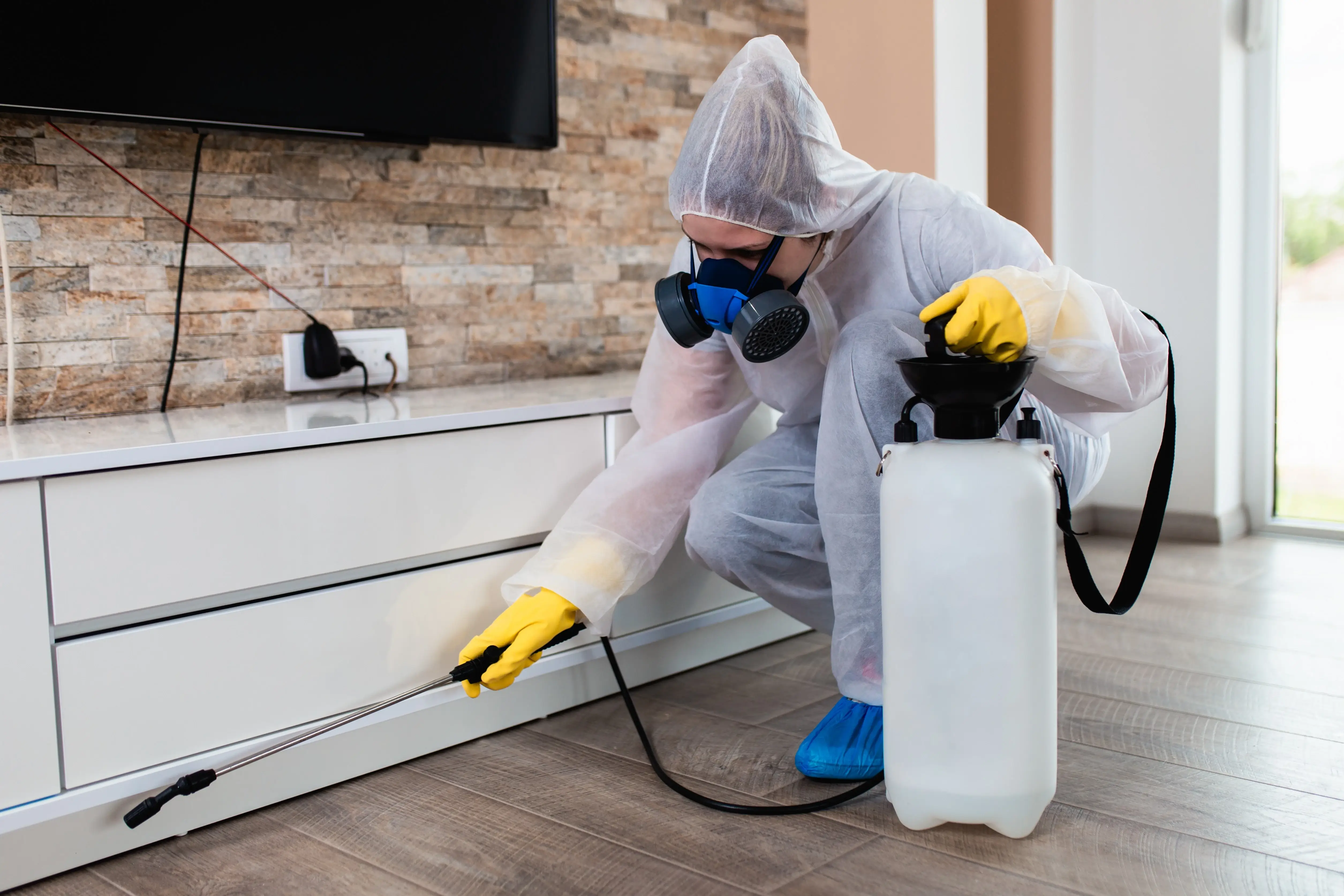
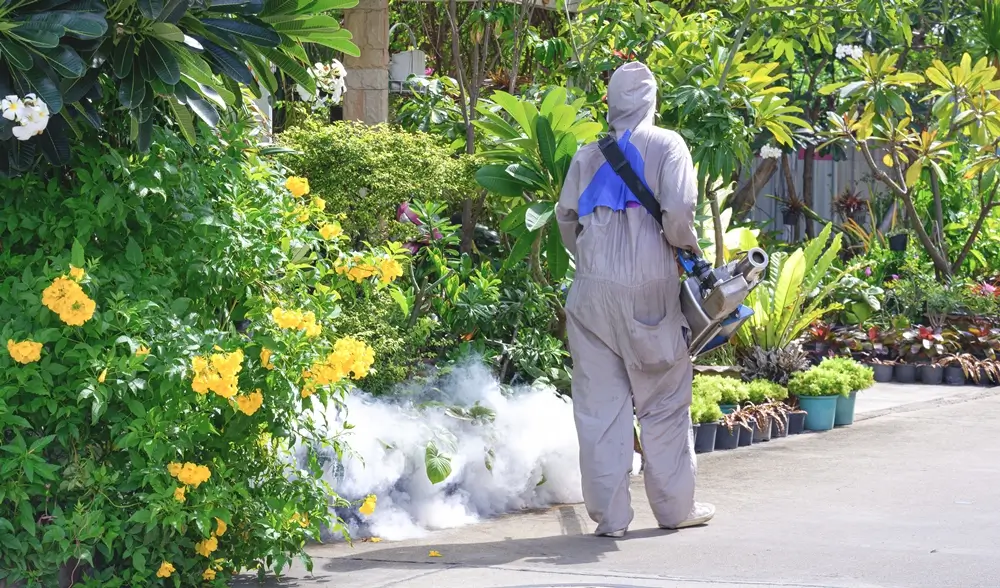
Professional pest control specialists use residual insecticide fogging, larviciding, and thermal misting to treat active infestations at scale. They also conduct thorough site inspections to identify hidden breeding sources that homeowners typically miss.
For professional-grade results in the UAE, Mosquito Control Dubai by Allied Pest Control offers targeted treatments for villas, apartments, and commercial properties using EPA-approved products that are safe for families and pets.
Conclusion
Preventing mosquito breeding at home is not a one-time task; it is a consistent habit. The steps are straightforward: remove standing water, clean drains, cover storage tanks, maintain your garden, use larvicides where needed, and seal entry points with proper screens.
In a city like Dubai, where heat and humidity extend the mosquito season well beyond what most climates experience, staying proactive is the most effective and affordable form of protection.
Start with a full property inspection this week. Identify every water source, address each one systematically, and commit to a weekly prevention routine. Your family’s health is worth the effort.
Frequently Asked Questions
How often should I check for mosquito breeding sites at home?
Inspect your property for standing water and potential breeding sites at least twice a week. During hotter months in Dubai, daily checks of high-risk areas like plant saucers and AC trays are strongly recommended.
Are natural repellents effective enough on their own?
Natural repellents like citronella, neem oil, and lavender reduce mosquito activity but are not sufficient as standalone solutions. They work best when combined with source elimination, removing standing water and maintaining proper drainage.
What is the safest larvicide to use around children and pets?
Bacillus thuringiensis israelensis (Bti), sold as Mosquito Dunks, is the safest larvicide for use around children, pets, and aquatic life. It targets only mosquito and blackfly larvae and poses zero risk to other organisms.
Can mosquitoes breed inside my home?
Yes, mosquitoes can breed indoors in AC drainage trays, plant pot saucers, bathroom drains, and any container holding stagnant water. Indoor breeding sites are common and are often overlooked during routine prevention checks.
When should I contact a professional pest control service?
Contact a professional service when DIY methods fail to reduce mosquito activity after two to three weeks, or when you identify large, inaccessible breeding sites. Professional treatment is also advisable after any confirmed case of a mosquito-borne illness in your household.