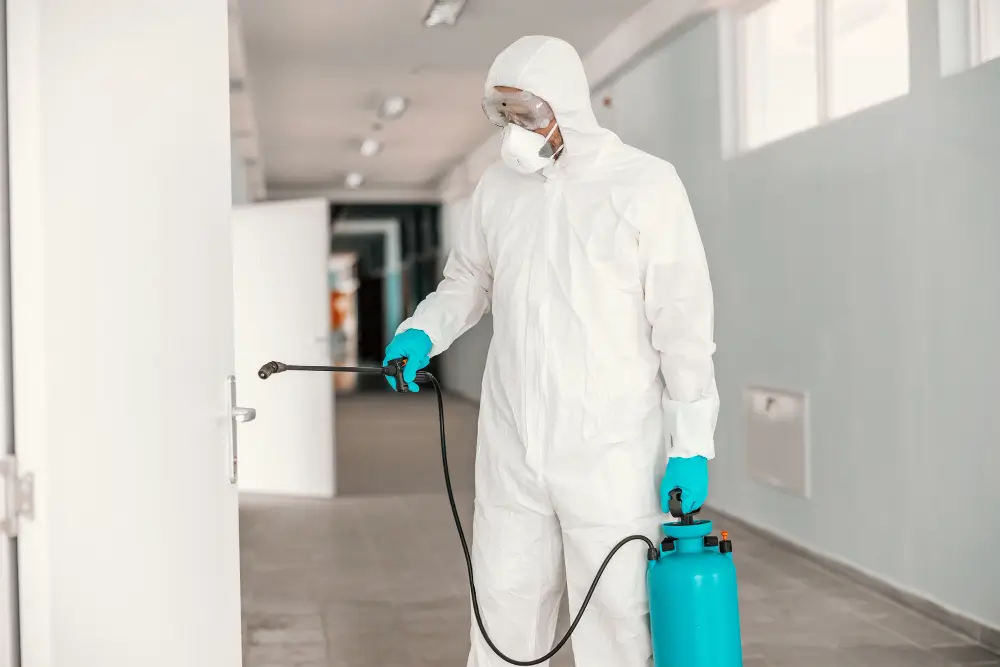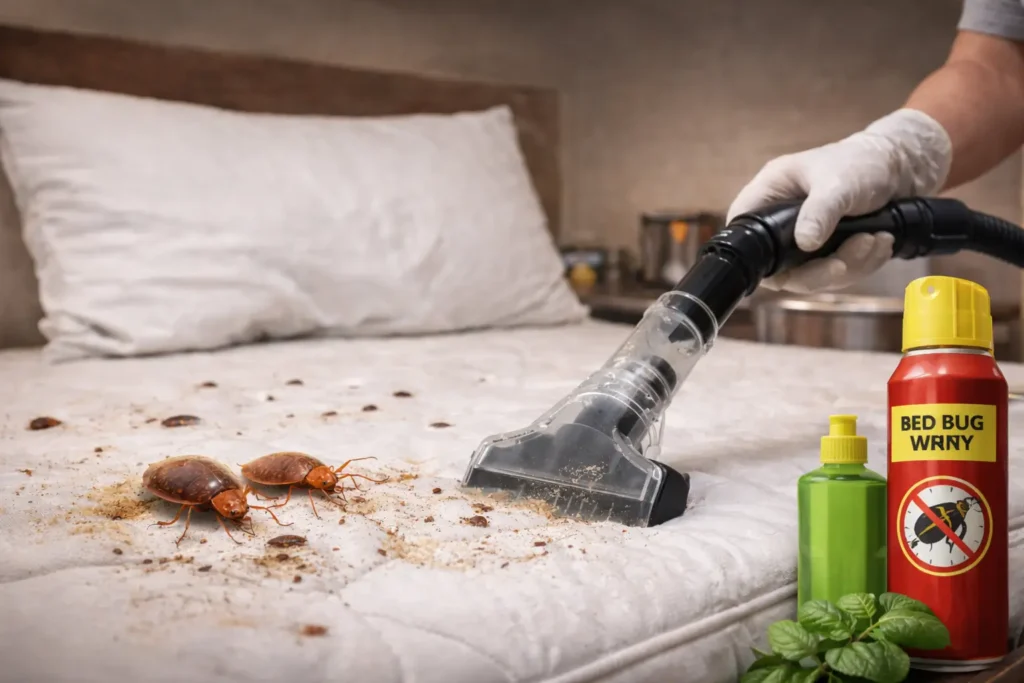
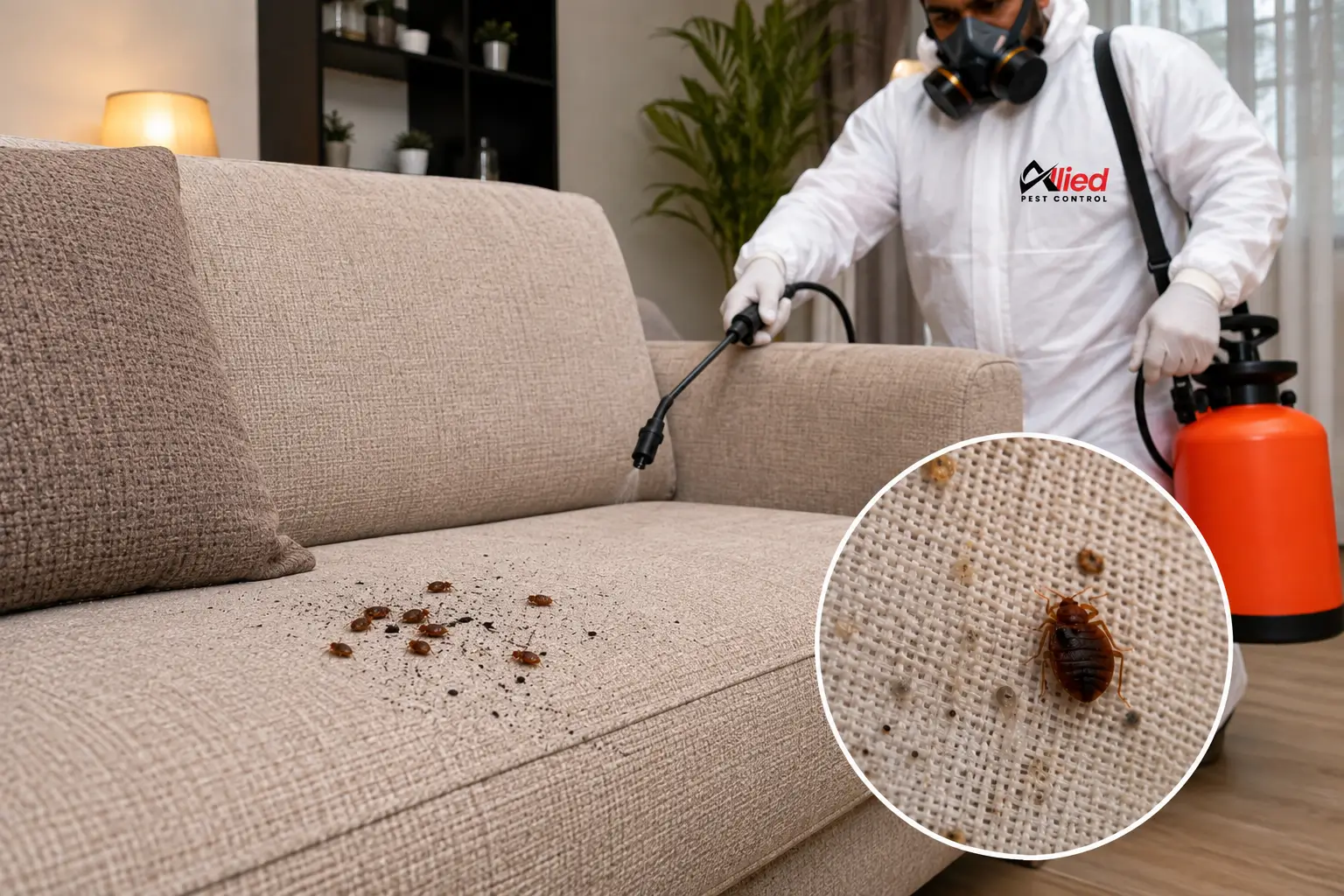
Bed bugs survive after treatment when a single application misses eggs, hidden clusters, or resistant insects. This happens because standard pest control methods don’t always reach every crack, seam, or void where bed bugs hide. Dubai’s high-density apartments, frequent travel, and warm climate make reinfestation common without proper follow-up and prevention steps.
Can Bed Bugs Survive After Treatment?
Yes, bed bugs can survive after treatment, especially eggs and bugs hiding in deep cracks. Professional treatment typically requires 2–3 sessions spaced 10–14 days apart, combined with heat treatment, thorough vacuuming, and sealed storage, to fully eliminate an infestation.
Bed bugs can survive after treatment if the pest control method doesn’t reach every hiding spot. Adult bed bugs hide in mattress seams, headboards, electrical outlets, and baseboard gaps up to 8 meters from a feeding site. A single chemical spray often kills visible bugs but misses eggs sealed in crevices.
Professional bed bug pest control in Dubai typically combines chemical treatment with heat treatment reaching 50–60°C, since heat penetrates fabric and wood better than sprays alone. Allied Pest Control uses this dual approach to target adults, nymphs, and eggs in a single service cycle.
How Long Do Bed Bugs Survive After Treatment?
Bed bugs can survive 24–72 hours after chemical treatment before the residual insecticide takes full effect. Some resistant strains survive up to 5 days if exposed to a diluted or partial application. Heat treatment kills bed bugs within 90 minutes when room temperature holds at 50°C or higher.
Eggs remain unaffected by many contact sprays and continue developing on their own timeline. This is why exterminators schedule a second visit 10–14 days after the first treatment, timed to catch newly hatched nymphs before they mature and reproduce.
Can Bed Bug Eggs Survive Treatment?
Bed bug eggs survive most standard chemical treatments because their outer shell resists insecticide penetration. Eggs hatch within 6–10 days at normal room temperature, meaning a treatment plan without follow-up visits allows a new generation to emerge. Heat treatment above 45°C kills eggs directly, unlike many liquid sprays.
Steam treatment at 100°C also destroys eggs on contact and works well on mattress seams and upholstered furniture. Combining steam, heat, and residual insecticide gives the most complete egg-elimination result in a single service window.
Signs Bed Bugs Are Still Active After Treatment
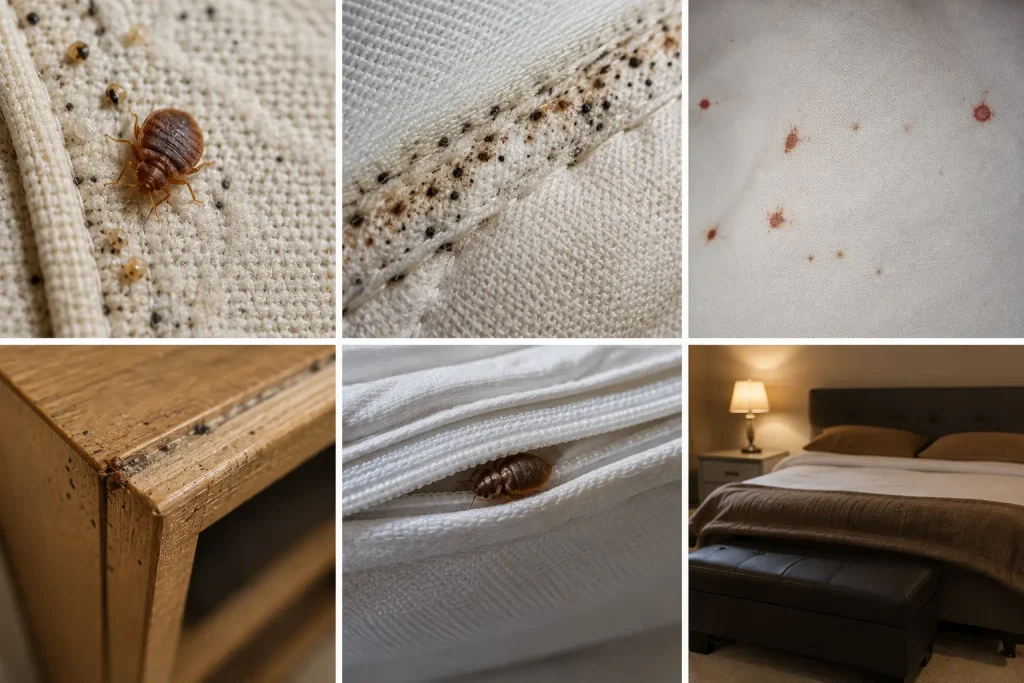
Fresh bites appearing in a line or cluster signal continued bed bug activity after treatment. Reddish-brown fecal spots on sheets, mattress seams, or walls confirm feeding is still occurring. Live bugs or shed skins found during a flashlight inspection indicate incomplete elimination.
A musty, sweet odor near the bed frame or headboard often points to a larger surviving population. Blood stains on pillowcases from crushed bugs during sleep are another direct sign that treatment didn’t fully succeed.
These signs confirm that bed bugs survive after treatment more often than homeowners expect, especially when only one round of chemical spray is applied without a heat or steam follow-up.
Why Bed Bugs Come Back After Treatment in Dubai
Bed bugs return after treatment in Dubai due to shared walls in apartment buildings, where bugs migrate from untreated neighboring units. Frequent hotel stays, guest visits, and secondhand furniture purchases introduce new bugs even after a home is fully treated. Luggage and used clothing carry eggs and adults undetected.
Incomplete treatment coverage, skipped follow-up visits, and DIY sprays that only kill surface-level bugs also cause reinfestation. Dubai’s climate-controlled indoor environments stay warm year-round, giving surviving bed bugs ideal conditions to breed continuously without a seasonal die-off.
This explains why bed bugs survive after treatment in so many Dubai homes. Despite an initial visible improvement, the underlying causes of reinfestation are structural and behavioral, not just chemical. Understanding the causes of bed bug infestations helps residents spot risk factors early.
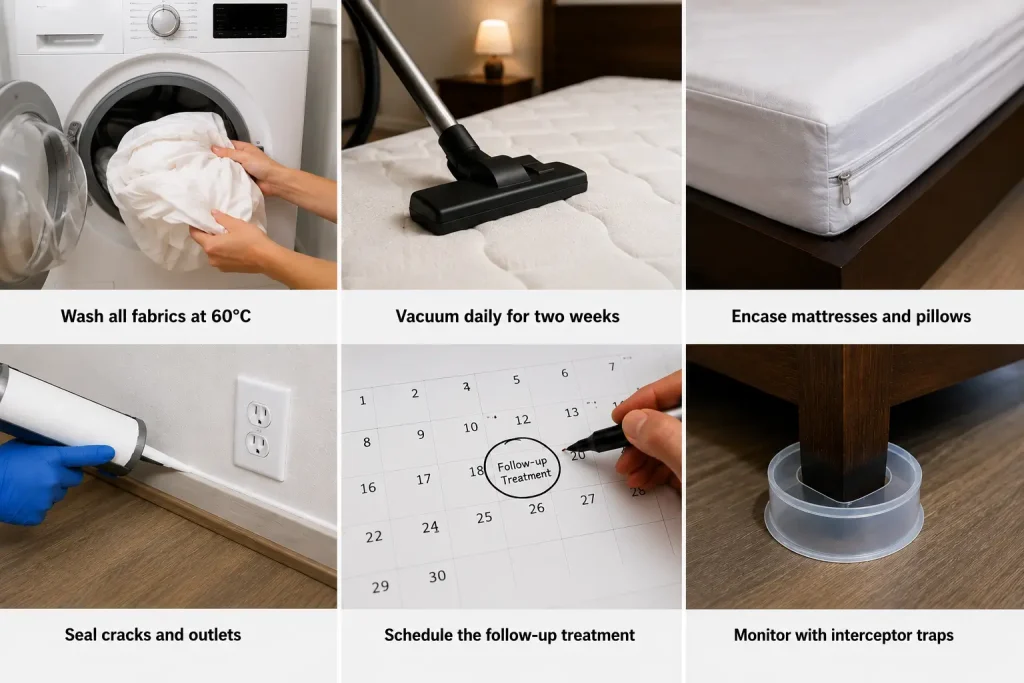
Step-by-Step Guide: What to Do After Bed Bug Treatment
1. Wash all fabrics at 60°C: Hot water kills bed bugs and eggs on bedding, curtains, and clothing within one wash cycle.
2. Vacuum daily for two weeks: Focus on mattress seams, carpet edges, and furniture joints, then seal and discard the vacuum bag immediately.
3. Encase mattresses and pillows: Use certified bed bug-proof encasements to trap any surviving bugs inside until they die from starvation.
4. Seal cracks and outlets: Caulk baseboards, wall gaps, and electrical sockets to block hiding spots and migration routes between rooms.
5. Schedule the follow-up treatment: Book the second pest control visit 10–14 days after the first to eliminate newly hatched nymphs.
6. Monitor with interceptor traps: Place bed bug interceptors under furniture legs to catch and confirm any remaining activity between visits.
How to Prevent Bed Bugs From Coming Back (Checklist)
- Inspect secondhand furniture thoroughly before bringing it indoors
- Store luggage on a hard-surface rack after travel, never on the bed
- Check hotel mattress seams before unpacking during trips
- Reduce clutter near the bed frame and baseboards
- Wash and dry travel clothing on high heat immediately after trips
- Keep interceptor traps under bed legs for ongoing monitoring
- Schedule a professional inspection every 6 months in high-risk buildings
- Communicate with neighbors in shared buildings about active infestations
This bed bug prevention checklist works best when paired with the same steps a professional exterminator follows during a full treatment cycle. Read our full guide on the best way to eliminate bed bugs permanently for a deeper breakdown of long-term solutions.
Professional Bed Bug Treatment in Dubai: What to Expect
Professional bed bug treatment in Dubai starts with a full inspection covering mattresses, furniture, wall voids, and adjoining rooms. Allied Pest Control technicians identify infestation hotspots using flashlight inspection and interceptor placement before applying treatment. This step confirms the exact scope of the problem.
Treatment combines heat application, targeted insecticide, and steam on soft furnishings for complete coverage. A written report and follow-up schedule come with every service; book a bed bug inspection so homeowners know exactly when the second visit occurs and what results to expect.
This multi-layered approach is designed specifically to reduce the chances that bed bugs survive after treatment, since heat and steam target the eggs that chemical sprays alone cannot reach. For tenants in shared buildings, coordinating treatment with building pest control management policies prevents bugs from migrating back from an untreated neighboring unit after your own treatment finishes.
Conclusion
Bed bugs can survive after treatment, but survival rates drop sharply when treatment combines heat, steam, and insecticide across multiple visits. Eggs need direct heat or steam contact since sprays alone rarely destroy them. A structured prevention checklist, consistent vacuuming, and a professional follow-up visit within 14 days give Dubai residents the strongest defense against bed bugs coming back after treatment.
Frequently Asked Questions
How long do bed bugs survive after treatment?
Bed bugs typically survive 24–72 hours after chemical treatment and up to 5 days in cases of partial insecticide exposure. Heat treatment kills bed bugs within 90 minutes at 50°C or higher.
Can bed bug eggs survive treatment?
Yes, bed bug eggs survive most chemical sprays due to their protective shell. Eggs hatch within 6–10 days, making a follow-up treatment necessary to kill newly emerged nymphs.
What are signs bed bugs are still active after treatment?
Fresh bites, fecal spots on sheets, live bugs during flashlight inspection, and a sweet, musty odor near the bed all indicate continued activity.
How many treatments does bed bug control in Dubai usually take?
Most infestations require 2–3 treatment sessions spaced 10–14 days apart to fully break the breeding cycle and eliminate all life stages.