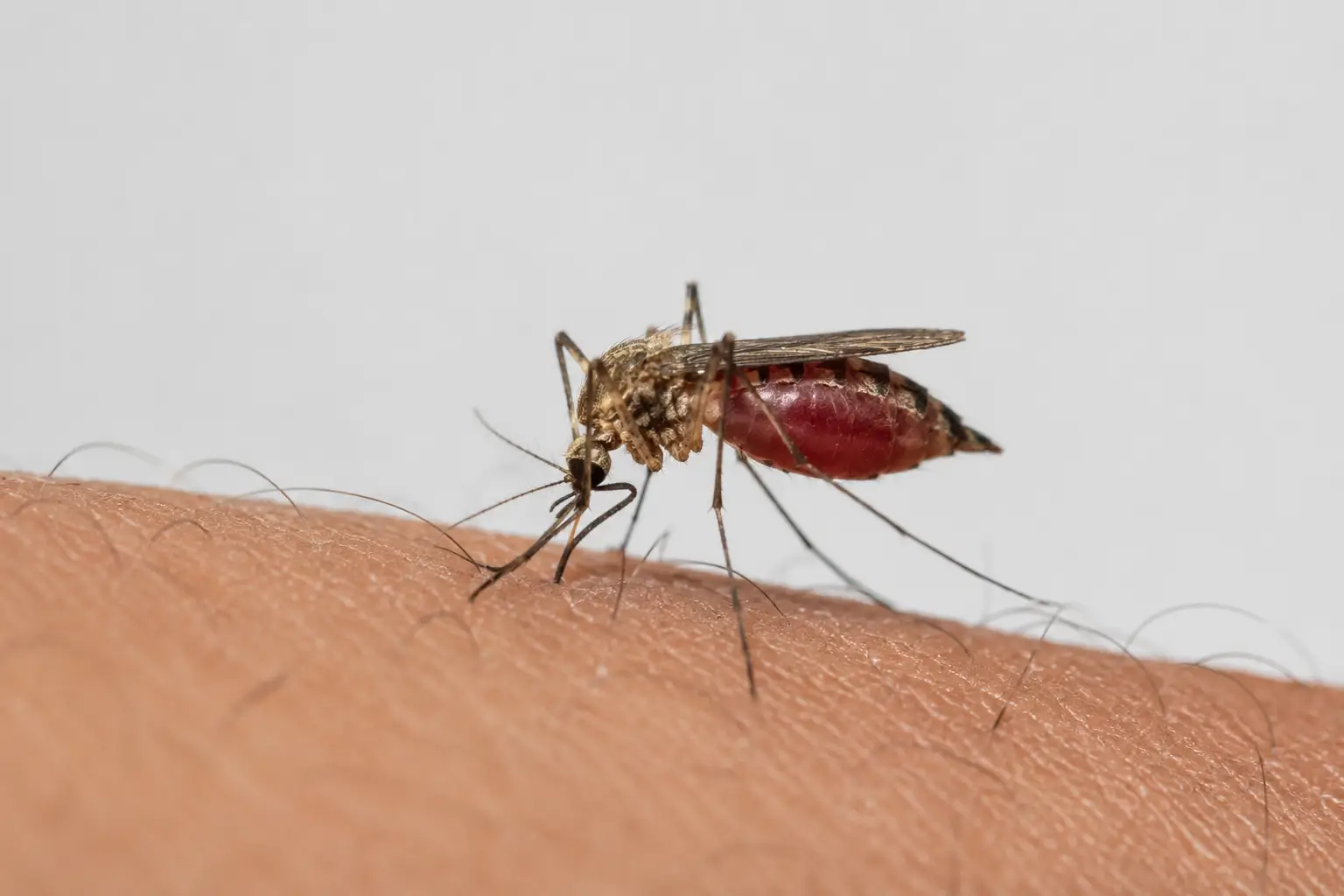
Mosquitoes harmful for humans is a serious concern because they are among the deadliest animals on Earth, causing over 1 million deaths every year. A mosquito bite can inject dangerous pathogens into the bloodstream, leading to diseases such as malaria, dengue fever, Zika virus, and West Nile virus. Bites can also trigger allergic reactions, skin infections, and serious immune responses.
Quick Answer
Yes, mosquitoes harmful for humans. Their bites cause itching and irritation, and some mosquitoes spread serious diseases such as Malaria, Dengue Fever, and Zika Virus Disease. Using mosquito nets, repellents, and keeping surroundings clean helps prevent mosquito-borne illnesses.
Why Mosquito Bites Can Be Dangerous for Human Health?
Mosquito bites are far more than a minor irritation; they can transmit life-threatening diseases like malaria, dengue fever, Zika virus, and West Nile virus, affecting millions worldwide each year. These illnesses can cause high fever, organ failure, and even death. Learning how to stop mosquito bites through repellents, protective clothing, mosquito nets, and removing standing water is a crucial step in safeguarding your health.
Are Mosquitoes Harmful for Humans? A Complete Step-by-Step Breakdown
Mosquitoes are harmful to humans through a multi-stage biological process that transfers dangerous pathogens directly into the bloodstream. At Allied Pest Control, we specialize in mosquito control in Dubai, using scientifically proven methods to break this harmful cycle and protect your family from serious mosquito-related health risks. Let us walk you through the process, step by step.
Step 1: The Mosquito Locates Its Human Host
Female mosquitoes detect humans by sensing carbon dioxide (CO₂) from up to 50 meters away. They also track body heat and lactic acid in sweat to find their target. Pregnant women and people who have recently exercised attract mosquitoes far more than others.
Step 2: The Mosquito Pierces the Skin and Injects Saliva
The mosquito inserts its needle-like proboscis into the skin to reach a blood vessel. It injects saliva containing anticoagulants, vasodilators, and any pathogens it carries into the wound. This feeding process takes between 90 seconds and 3 minutes to complete.
Step 3: Pathogens Enter the Human Bloodstream
Injected viruses and parasites spread through the blood within minutes of the bite. Each pathogen targets a specific body system. Malaria attacks red blood cells, and dengue attacks the immune system. Incubation periods range from 4 days (dengue) to 30 days (malaria) before symptoms appear.
Step 4: The Immune System Reacts to the Bite
Mast cells release histamine immediately, causing itching and redness at the bite site. White blood cells rush to the area and create visible swelling within minutes. In sensitive individuals, reactions escalate to large welts, fever, and limb swelling known as Skeeter Syndrome.
Step 5: Disease Symptoms Develop in the Body
Full disease symptoms appear once the incubation period ends inside the body. Malaria triggers cyclical fever and chills every 48–72 hours, while dengue causes severe joint pain and dangerous internal bleeding. To prevent dengue fever in Dubai, early medical attention is critical, as untreated malaria and dengue carry a fatality rate of 10–25% without proper care.
Summary Table: Mosquito Diseases
| Disease | Mosquito Species | Annual Cases | Fatality Risk |
| Malaria | Anopheles | 249 million | High (untreated) |
| Dengue Fever | Aedes aegypti | 400 million | Moderate |
| Zika Virus | Aedes aegypti | Millions | Low (high for fetus) |
| West Nile Virus | Culex | 2,000+ (US) | Low–Moderate |
| Chikungunya | Aedes aegypti | 3 million+ | Low |
Signs That a Mosquito Bite May Be Serious
Seek immediate medical care if fever above 38.5°C (101.3°F) appears within 2 weeks of a bite. Watch for a spreading skin rash, severe headache, or swelling of a limb. Pus, warmth, or red streaks at the bite site signal a dangerous bacterial infection requiring urgent treatment.
How to Protect Yourself from Mosquitoes
Apply DEET (20–30%) or picaridin repellent every 4–8 hours and wear permethrin-treated clothing outdoors. Empty all standing water from buckets, gutters, and flowerpots every 72 hours to destroy breeding sites. Install 18×16 mesh window screens and use WHO-approved insecticide-treated bed nets in malaria-risk regions.
Conclusion
Mosquitoes are harmful to humans and kill more people annually than any other animal on Earth. They spread malaria, dengue, and Zika while triggering life-threatening allergic reactions with every bite. For expert mosquito control that eliminates mosquitoes at every life stage, contact Allied Pest Control. Their licensed technicians protect your family all year round.
Frequently Asked Questions (FAQ) About Mosquitoes
Do All Mosquitoes Spread Diseases?
Not all mosquitoes spread diseases to humans. Only infected female species like Aedes aegypti, Anopheles, and Culex transmit pathogens during active blood feeding on a human host.
Are Mosquitoes Attracted Only to Certain People?
Mosquitoes are attracted to people with higher CO₂ output, body heat, and lactic acid levels. Blood type O, pregnancy, and recent exercise significantly increase a person’s attractiveness to mosquitoes.
Can Mosquitoes Bite Through Clothing?
Mosquitoes can bite through thin, tight fabrics like spandex and nylon easily. Loose-fitting thick clothing and permethrin-treated garments block bites and reduce direct mosquito contact with skin.
How Do Mosquitoes Affect Human Health?
Mosquitoes affect human health by transmitting malaria, dengue, and the Zika virus worldwide. They also cause allergic skin reactions, sleep disruption, and secondary bacterial infections when bite wounds are scratched.
Can You Survive 100 Mosquito Bites?
Most healthy adults survive 100 mosquito bites with localized itching and swelling only. However, 100 bites from infected mosquitoes raise serious disease risk and can trigger dangerous systemic allergic reactions.