
You’ve just paid for professional pest control, your home is finally bug-free, and you’re breathing a sigh of relief. But then a nagging question pops into your head: when do I need to do this again? It confuses many homeowners, and honestly, there’s no one-size-fits-all answer. Some people schedule treatments every month like clockwork, while others wait until they spot an unwelcome critter scurrying across the floor.
The right pest control schedule depends on several factors: where you live, which pests are common in your area, how severe your problem is, and even the season. Getting the timing wrong can mean wasting money on unnecessary treatments or, worse, letting pests regain their foothold in your home. So, how often should pest control actually be done? Let’s break it down and find the schedule that works best for your situation.
How often should pest control be done?
Most homes need professional pest control every 2-3 months (quarterly) for general prevention. Monthly treatments work best for severe infestations or high-risk areas, while bi-annual service suits low-risk properties. Climate, pest type, and property condition determine the ideal frequency.
Understanding Pest Control Frequency: What You Need to Know
Keeping your home pest-free isn’t a one-time task. It’s an ongoing commitment that protects your family’s health and your property’s value.
Many homeowners wonder if they’re being treated too often or not enough. The truth is, there’s no universal answer that fits every situation.
Your pest control schedules depend on multiple factors. Location matters significantly. Climate plays a huge role. Even your home’s age affects how often you need treatment.
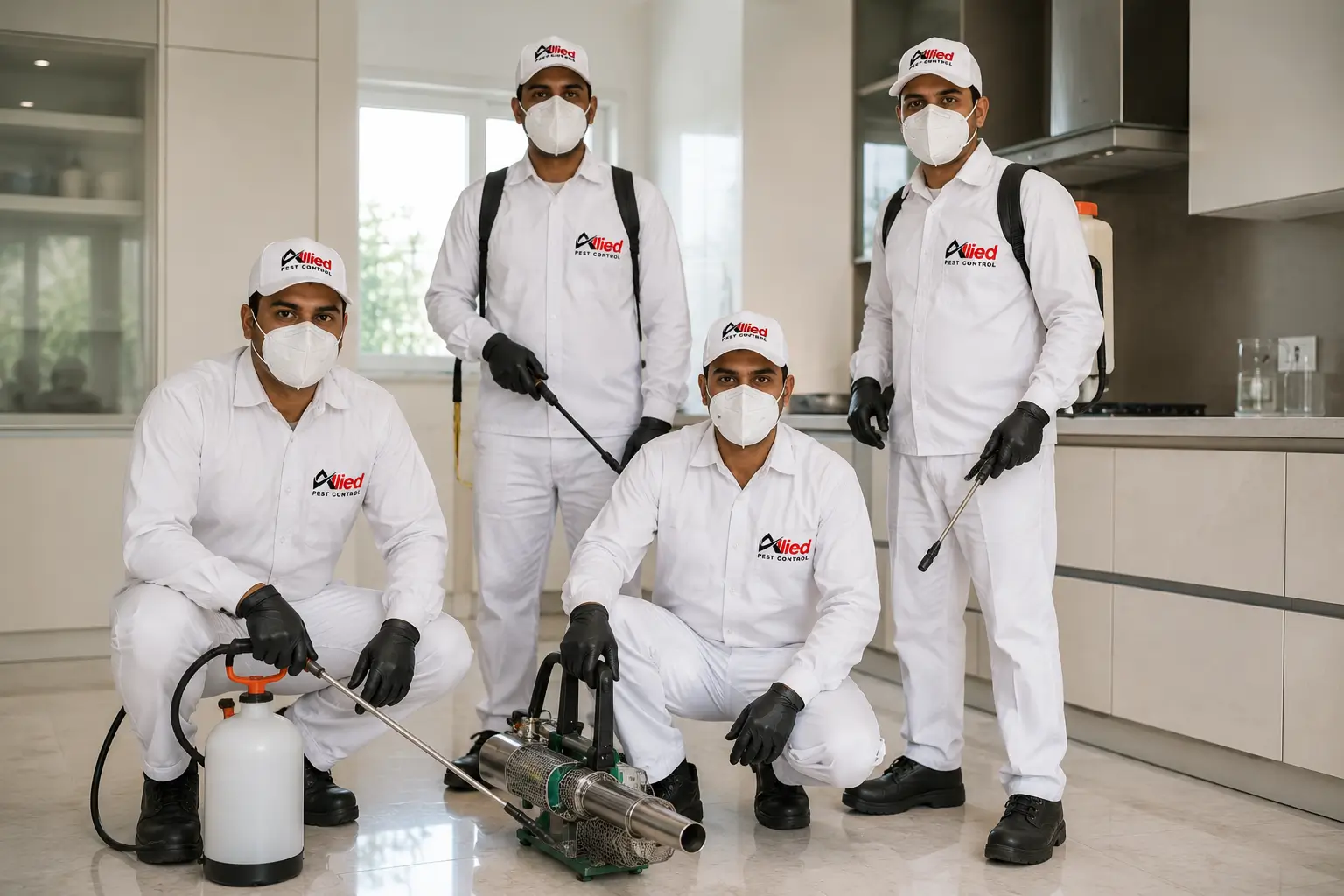
At Allied Pest Control, we help homeowners understand their unique pest pressure and create customized treatment schedules.
Let’s break down everything you need to know about pest control frequency in 2026.
Standard Pest Control Schedules: Industry Recommendations
Monthly Pest Control (Every 30 Days)
Best for:
- Active infestations (roaches, ants, rodents)
- Commercial kitchens and restaurants
- Warm, humid climates (Florida, Texas, Louisiana)
- Properties with recurring pest problems
- Homes near wooded areas or water sources
Monthly service provides maximum protection. Pest professionals catch problems before they escalate.
Quarterly Pest Control (Every 3 Months)
Best for:
- General residential prevention
- Moderate climate zones
- Well-maintained properties
- Standard suburban homes
- Cost-effective long-term protection
This is the gold standard for most homeowners. Quarterly treatments align with seasonal pest cycles.
Allied Pest Control recommends quarterly service for the majority of residential properties. This schedule provides consistent protection without unnecessary treatments.
Bi-Annual Pest Control (Every 6 Months)
Best for:
- Dry climates with fewer pests
- New construction homes
- Low-risk rural properties
- Budget-conscious homeowners
- Properties with minimal pest history
Twice-yearly service works when pest pressure is naturally low.
Annual Pest Control (Once Per Year)
Best for:
- Specific treatments (termite inspections)
- Extremely low-risk areas
- Preventive barrier treatments
- Supplementing DIY efforts
Annual service alone rarely provides adequate protection for most homes.
Factors That Determine Your Pest Control Frequency
Climate and Geographic Location
Warmer regions breed pests year-round. Southern states need more frequent service than northern areas.
Coastal properties face moisture-loving pests like termites and silverfish. Desert climates attract scorpions and spiders seeking water.
Our technicians at Allied Pest Control assess your specific geographic risk factors during initial inspections.
Type of Pests You’re Targeting
Different pests need different schedules:
- Termites: Annual inspections, treatment lasts 5-10 years
- Mosquitoes: Monthly during warm months
- Rodents: Monthly during active infestations, quarterly for prevention
- Ants: Quarterly minimum, monthly in peak season
- Roaches: Monthly for severe issues, quarterly for prevention
- Bed bugs: Requires specialized multi-treatment protocol
Property Age and Condition
Older homes have more entry points. Cracks, gaps, and structural issues invite pests inside.
New construction offers better pest resistance initially. But landscaping and settling can create vulnerabilities over time.
Surrounding Environment
Higher pest pressure comes from:
- Nearby restaurants or food processing facilities
- Wooded lots or heavy vegetation
- Standing water or drainage issues
- Neighboring properties with infestations
- Agricultural areas
- Waste management sites
Seasonal Changes
Spring brings ants and termites swarming. Summer heats up mosquito and fly populations.
Fall sends rodents seeking indoor shelter. Winter doesn’t stop pests in climate-controlled homes.
Quarterly treatments address these seasonal pest cycles perfectly.
Benefits of Regular Pest Control Service
Consistent pest management delivers real advantages:
- Prevents costly structural damage: termites and carpenter ants
- Protects family health: eliminating disease-carrying pests
- Maintains property value: with documented pest-free status
- Reduces allergens: from cockroach droppings and rodent dander
- Saves money long-term: by preventing major infestations
- Provides peace of mind: with professional monitoring
- Offers warranty protection: many services guarantee results
- Early detection: catches problems before they spread
- Seasonal adjustments: target pests when they’re most active
- Expert guidance: professionals educate on prevention
Regular service costs far less than emergency treatments for severe infestations. For expert pest control service in Dubai, book your slot now.
Common Pest Control Scheduling Mistakes
Waiting Until You See Pests
By the time pests are visible, populations are already established. Prevention beats reaction every time.
Inconsistent Treatment Timing
Skipping scheduled treatments creates gaps in protection. Pests exploit these windows immediately.
One-Time Treatments for Breeding Pests
Single treatments rarely eliminate pests that reproduce rapidly. Roaches, ants, and fleas need follow-up service.
Ignoring Seasonal Patterns
Different seasons bring different pests. Year-round coverage ensures complete protection.
Choosing Price Over Quality
The cheapest service often provides minimal coverage. Inferior products and rushed treatments waste money.
Not Addressing Root Causes
Treatments work temporarily if moisture issues, entry points, or sanitation problems persist.
Cost Factors for Pest Control Services
Pricing varies based on:
- Treatment type: One-time treatment costs AED 200-550 for apartments and AED 350-1,100 for villas. Annual contracts are cheaper per visit.
- Property size: Larger villas with gardens and outdoor areas need more time and materials.
- Pest type: Cockroaches and ants are the cheapest (AED 200-800). Rodents (AED 400-1,400) and bed bugs (AED 350-2,200) cost more, and termites cost significantly more.
- Service level: Basic spray vs. comprehensive plans with follow-up visits and warranty.
- Contract terms: Annual agreements (usually 4 visits) offer better value.
- VAT: Many quotes exclude 5% VAT.
Most Dubai apartment owners pay AED 1,000-2,500 per year for quarterly pest control, while villa owners pay AED 1,800-3,500. It is a small cost compared to the damage pests can do to your property.
Expert Recommendations for Different Property Types
Single-Family Homes
Quarterly service provides optimal protection for most residential properties. Increase to monthly if you experience recurring issues.
Apartments and Condos
Monthly service is often necessary due to shared walls. Pests migrate between units easily.
Commercial Properties
Monthly minimum for restaurants, food service, healthcare facilities. Some businesses need weekly service to maintain compliance.
Vacation Homes
Bi-annual service minimum when unoccupied. Quarterly if located in high-pest areas or used frequently.
Take Control of Your Pest Problems Today
Ready to establish your pest control schedule? Contact a licensed pest management professional today for a free inspection and customized service plan.
Protect your property with consistent, professional pest control. Your family deserves a pest-free environment year-round.
Allied Pest Control is Your trusted partner in pest prevention and elimination for 10+ Years Serving with excellence.
Frequently Asked Questions (FAQs)
How often should pest control spray be done for cockroaches?
Monthly treatments for active roach infestations, then quarterly maintenance after elimination. Cockroaches breed rapidly and require consistent follow-up for complete control.
Can I do pest control every 6 months instead of quarterly?
Bi-annual service works in low-risk areas with minimal pest pressure. However, quarterly treatments better prevent infestations and catch problems early in most climates.
How long does pest control treatment last?
Professional barrier treatments typically last 60-90 days. Monthly treatments overlap protection periods, while quarterly service aligns with product longevity and seasonal pest cycles.
Should I get pest control in winter?
Yes. Winter pest control prevents rodents seeking warmth indoors and addresses overwintering insects. Many pests remain active in climate-controlled homes year-round.
How often do commercial properties need pest control?
Commercial kitchens and food service need monthly minimum service. Retail and office spaces typically require quarterly treatments. Healthcare facilities often need weekly monitoring.
Is monthly pest control overkill for residential homes?
Not for high-risk properties or active infestations. Monthly service provides maximum protection in warm climates, wooded areas, or homes with recurring pest issues.
What happens if I skip a scheduled pest control treatment?
Skipping treatments creates protection gaps that pests exploit. You may void service warranties and allow populations to reestablish, requiring more extensive future treatment.