
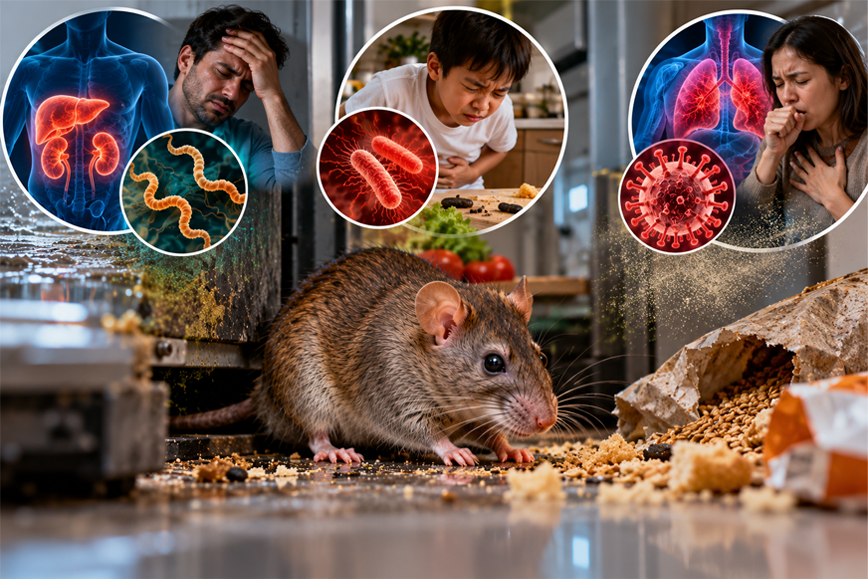
The health risk of rodents include more than 35 diseases spread through urine, droppings, bites, fleas, and contaminated food. Rats and mice carry leptospirosis, salmonellosis, hantavirus, and rat-bite fever. They also trigger asthma and allergies. Fast detection and professional rodent control from Allied Pest Control protect your family from these illnesses.
Why the Health Risk of Rodents Is a Serious Problem in Dubai
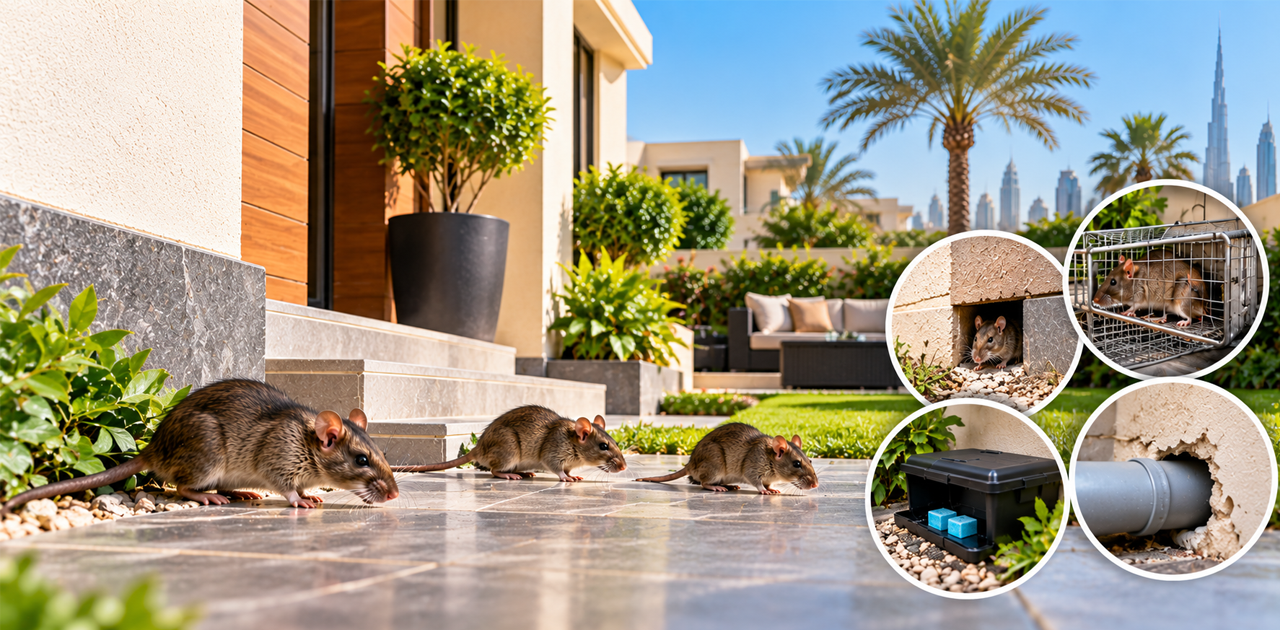
Dubai gives rodents everything they need to survive. Warm weather, dense residential towers, busy restaurants, construction sites, and open waste bins supply constant food, water, and shelter. Roof rats, Norway rats, and house mice live in villas, apartments, warehouses, and kitchens across the city.
A single female rat produces up to 6 litters per year with 6 to 12 pups each. A small problem becomes a large infestation within weeks. Every additional rodent increases the amount of urine, droppings, and parasites inside your property.
The solution starts with fast action. Allied Pest Control helps Dubai property owners stop rodents quickly. Licensed rodent control in Dubai removes active rodents, seals entry points, and stops new rodents from entering. The sections below explain each health threat first, then show you how to fix it.
How Rodents Spread Disease
Rodents spread disease through four main routes. Understanding each route helps you break the chain of infection.
- Direct contact: Bites, scratches, and handling infected rodents transmit bacteria such as Streptobacillus moniliformis.
- Contaminated food and water: Rodent urine and droppings carry Salmonella and Leptospira into kitchens, pantries, and water tanks.
- Parasites: Fleas, ticks, and mites feed on rodents and then bite humans and pets.
- Airborne particles: Dried droppings and urine break into dust. You inhale this dust when you sweep or vacuum.
A single mouse leaves 50 to 75 droppings per day. Rats walk through drains and garbage, then cross your countertops. Every surface they touch becomes a contamination point.
Major Diseases Linked to the Health Risk of Rodents
The health risk of rodents ranges from mild stomach upset to fatal organ failure. These are the most serious diseases.
Leptospirosis
Leptospirosis spreads through water or soil contaminated with rat urine. The bacteria enter the body through cuts, eyes, nose, or mouth. Symptoms include high fever, headache, muscle pain, vomiting, and jaundice.
Untreated leptospirosis damages the kidneys and liver and can cause meningitis. Doctors treat it with antibiotics such as doxycycline or penicillin.
Salmonellosis
Salmonellosis is a food-borne infection. Rodent droppings contaminate stored grains, packaged food, and kitchen surfaces with Salmonella bacteria. Symptoms appear within 6 hours to 6 days and include diarrhea, fever, and abdominal cramps.
Children under 5, older adults, and people with weak immune systems face the highest risk of severe illness.
Hantavirus Pulmonary Syndrome
Hantavirus spreads when you breathe dust from infected rodent urine, droppings, or nesting material. It causes fever, muscle aches, and severe breathing difficulty. The U.S. Centers for Disease Control and Prevention (CDC) reports a fatality rate of about 38% for hantavirus pulmonary syndrome.
No specific cure exists. Hospital care with oxygen support improves survival, so early medical attention is critical.
Rat-Bite Fever
Rat-bite fever passes through bites, scratches, or contact with contaminated food and water. Symptoms include fever, vomiting, joint pain, and rash. Untreated cases carry a fatality rate of up to 10%.
Antibiotics cure the infection when started early. Wash any rodent bite with soap and water for 5 minutes and see a doctor immediately.
Plague and Murine Typhus
Oriental rat fleas (Xenopsylla cheopis) transmit Yersinia pestis, the bacteria behind plague. The same fleas spread murine typhus, which causes fever, headache, and rash. Flea control is as important as rodent removal for stopping these diseases.
Lymphocytic Choriomeningitis (LCMV)
House mice carry LCMV. The virus spreads through urine, droppings, and saliva. It causes flu-like symptoms and, in rare cases, meningitis. Pregnant women face the greatest danger because LCMV can harm a developing baby.
Allergies and Asthma: A Hidden Health Risk of Rodents
Rodents damage your health even when they carry no infection. Mouse and rat urine proteins, hair, and dander are strong allergens. These allergens settle in carpets, upholstery, and air-conditioning ducts.
Research from the National Institutes of Health links mouse allergen exposure to asthma attacks in children. Symptoms include coughing, wheezing, sneezing, itchy eyes, and skin rashes. Cleaning and removing nesting areas lowers allergen levels.
Other Health and Safety Hazards Rodents Create
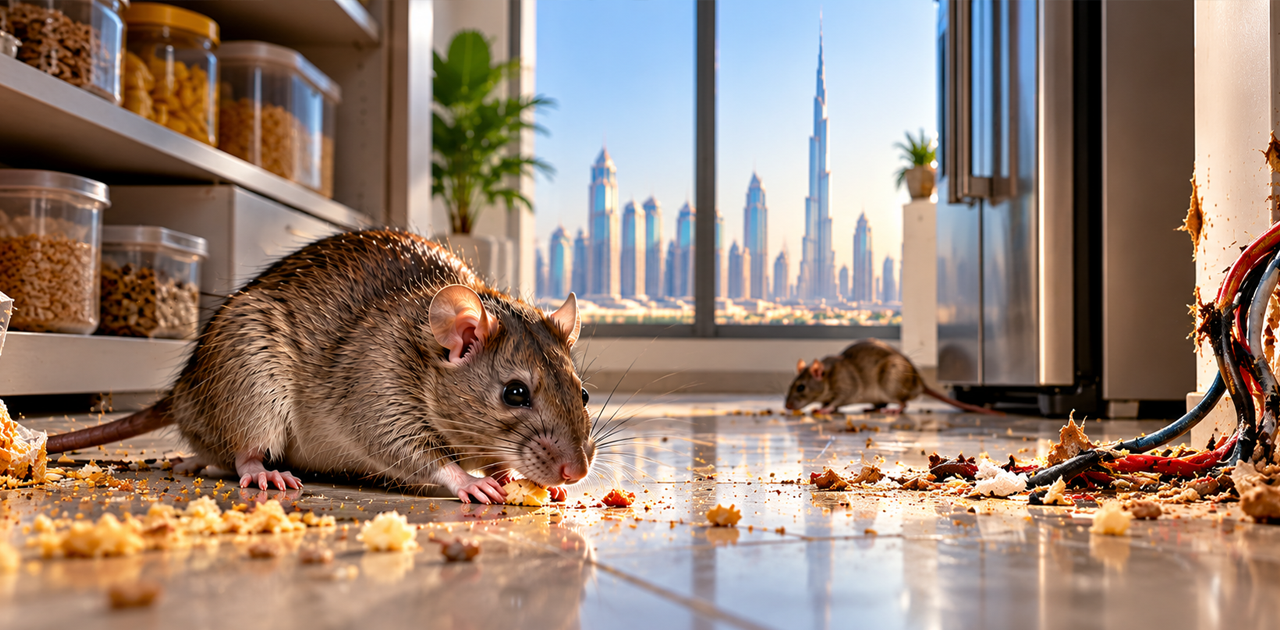
Rodent teeth grow continuously, so rats and mice gnaw on wires, pipes, and wood to wear them down. Chewed electrical cables cause short circuits and fires. Gnawed plumbing causes leaks and mold growth, and mold triggers respiratory problems.
Rodents also destroy insulation, packaging, and stored food. Every contaminated food item must be thrown away. This adds financial loss to the health damage.
Who Faces the Highest Health Risk of Rodents?
Everyone in an infested property faces exposure, but some groups face greater danger:
- Infants and children under 5
- Pregnant women
- Older adults
- People with asthma or weakened immune systems
- Pet owners, because dogs and cats pick up fleas and eat dead rodents
- Restaurant, hotel, and warehouse staff
Commercial kitchens and food storage areas also face regulatory penalties and business closure when rodents contaminate food.
Rodent Infestation Checklist: Spot the Problem Early
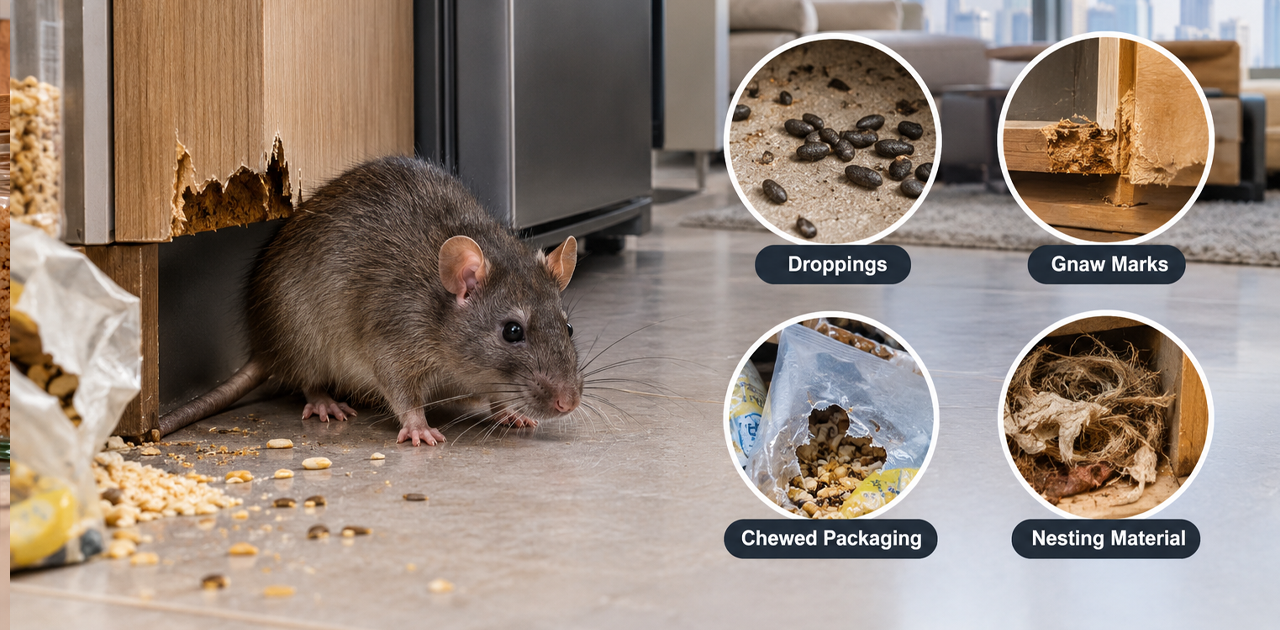
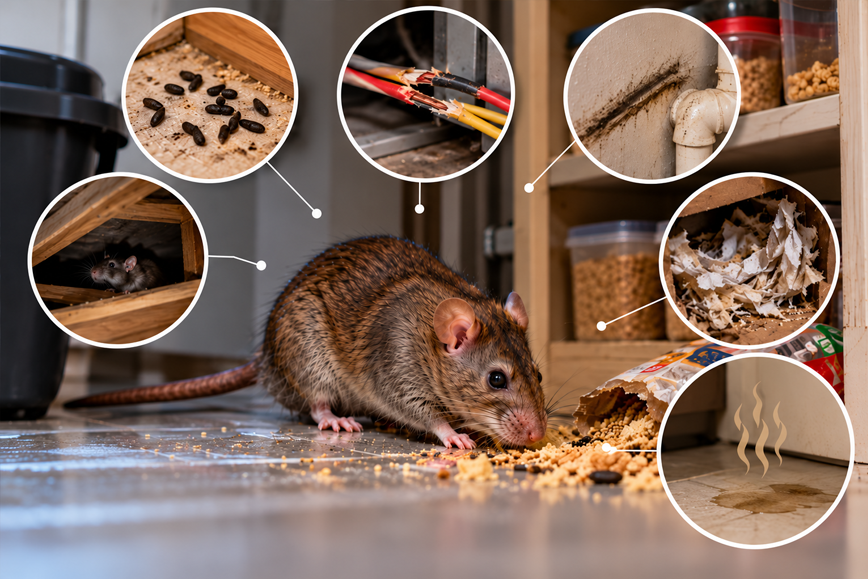
Early detection reduces the health risk of rodents significantly. Use this checklist to inspect your home or business once a month:
- Dark, rice-shaped droppings near food, bins, or skirting boards
- Gnaw marks on wires, cardboard, or food packaging
- Greasy rub marks along walls and pipes
- Scratching or squeaking sounds in ceilings and walls at night
- Shredded paper or fabric nests in storage areas
- A strong ammonia-like smell
- Pets staring at or scratching at walls
One or two signs confirm an active infestation. Our guide to the signs of rodent infestation in Dubai homes explains each sign with the exact places to inspect.
How to Reduce the Health Risk of Rodents
This how-to guide gives you a clear action plan. Follow each step in order.
Confirm the infestation: Check the places listed above. Place a thin layer of flour or talcum powder along walls overnight to reveal tracks.
Protect yourself: Wear rubber gloves, an N95 mask, and eye protection before touching any droppings or nests.
Disinfect before you clean: Never sweep or vacuum droppings. Spray the area with a bleach solution (1 part bleach to 10 parts water) and wait 5 minutes. Wipe with paper towels and seal them in a bag.
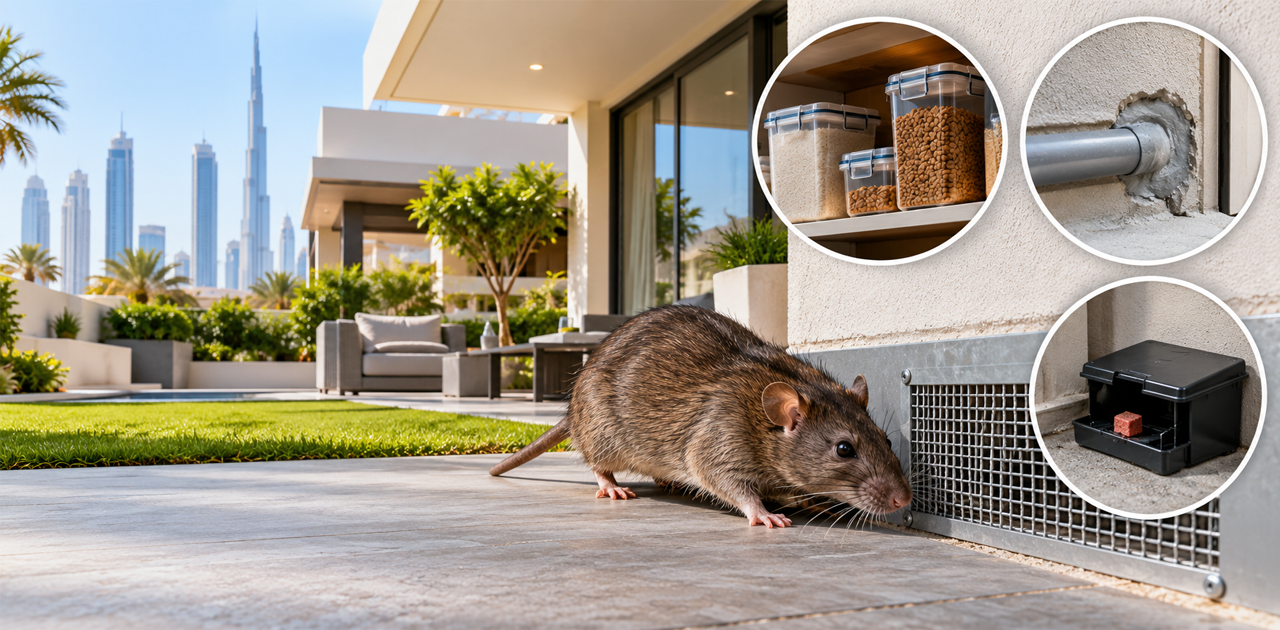
Remove food and water sources: Store food in airtight glass or hard plastic containers. Empty bins daily and fix leaking taps and pipes.
Seal entry points: Mice enter through gaps as small as 6 mm. Rats enter through gaps of 12 mm. Block holes with steel wool, copper mesh, and cement, because rodents chew through foam and plastic.
Set traps: Snap traps baited with peanut butter kill rodents quickly. Place them along walls where rodents travel, spaced 2 to 3 meters apart.
Call professionals for active infestations: Do-it-yourself methods rarely remove an entire colony. Our guide on how to get rid of rats in Dubai covers when to move from home treatment to expert help.
How Professionals Treat the Health Risk of Rodents
Allied Pest Control technicians use Integrated Pest Management (IPM). IPM combines inspection, exclusion, trapping, baiting, and sanitation advice. This method removes rodents and fixes the cause of the infestation.
Technicians place tamper-resistant bait stations with rodenticides such as bromadiolone or brodifacoum. These stations keep poison away from children and pets. Technicians also install snap traps, seal roof and drain gaps, and disinfect contaminated areas.
After treatment, a follow-up inspection confirms that activity has stopped. Regular service visits stop reinfestation, and our article on rat control in Dubai explains how monthly monitoring prevents rodents from returning.
Prevention Tips to Lower the Health Risk of Rodents Long Term
Prevention costs less than treatment. These tips keep rodents away year-round:
- Store garbage in bins with tight lids and empty them daily.
- Trim trees and plants that touch your roof or walls.
- Keep pet food sealed and remove bowls overnight.
- Install door sweeps on all exterior doors.
- Screen vents, drains, and AC pipe openings with metal mesh.
- Declutter storage rooms and garages every 3 months.
- Schedule a professional inspection every 6 to 12 months.
Commercial properties benefit from monthly inspections because restaurants and warehouses attract rodents faster than homes.
Conclusion
The health risk of rodents is real, serious, and preventable. Rats and mice spread deadly diseases, trigger asthma, contaminate food, and damage electrical systems. Early detection and fast treatment protect your family and your property.
Use the checklist, follow the step-by-step plan, and seal every entry point. If you find signs of rodents, book an inspection with Allied Pest Control immediately. Fast action stops infestations before they cause illness.
Frequently Asked Questions About the Health Risk of Rodents
What diseases do rodents carry?
Rodents carry leptospirosis, salmonellosis, hantavirus, rat-bite fever, plague, murine typhus, and LCMV. They spread these diseases through urine, droppings, bites, and parasites.
Can rat droppings make you sick?
Yes. Rat droppings carry Salmonella, hantavirus, and other pathogens. You get sick when you touch contaminated surfaces, eat contaminated food, or inhale dust from dried droppings.
Are mice or rats more dangerous?
Both are dangerous. Rats carry leptospirosis and rat-bite fever more often, while mice spread salmonellosis and LCMV. Both trigger allergies and asthma.
What should I do if a rat bites me?
Wash the wound with soap and running water for 5 minutes, apply an antiseptic, and see a doctor within 24 hours. A doctor may prescribe antibiotics.
How quickly do rodents cause health problems?
Contamination begins as soon as rodents enter. Droppings and urine appear within days, and populations multiply within weeks.