Bed bugs are small, reddish-brown parasitic insects that feed on human blood during sleep. The primary reasons for bed bug infestations include travel, second-hand furniture, and shared living spaces. Removing bed bugs requires a combination of heat treatment, thorough vacuuming, and EPA-approved insecticides applied consistently over 2-4 weeks.
Quick Answer
- Identify bed bugs by rust-colored stains, shed skins, and live insects on mattresses.
- Wash and dry all bedding at 60°C (140°F) or higher immediately.
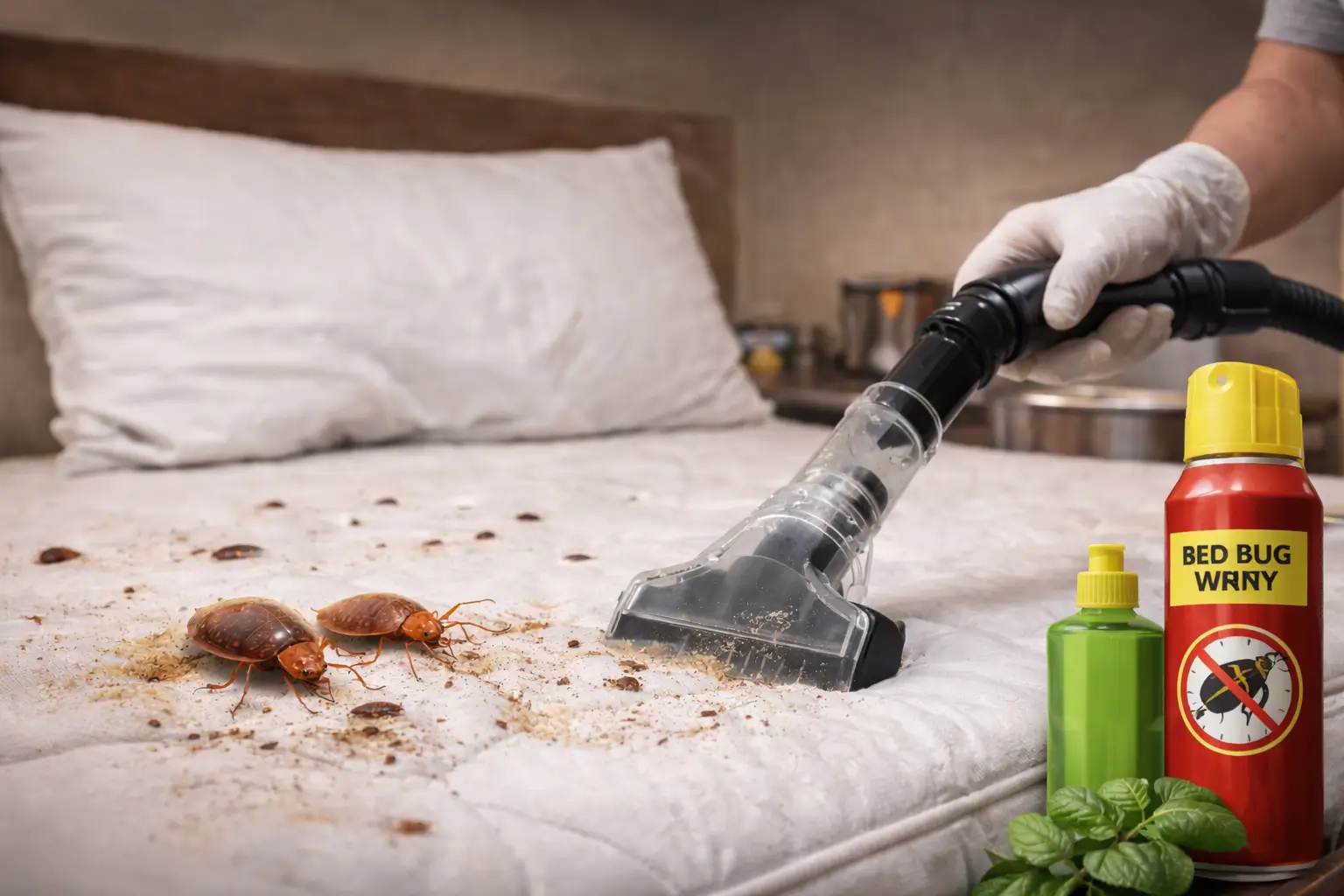
- Vacuum all mattresses, bed frames, and furniture seams thoroughly.
- Apply EPA-approved insecticide such as diatomaceous earth or Bedlam Plus.
- Use mattress encasements to trap and starve remaining bed bugs.
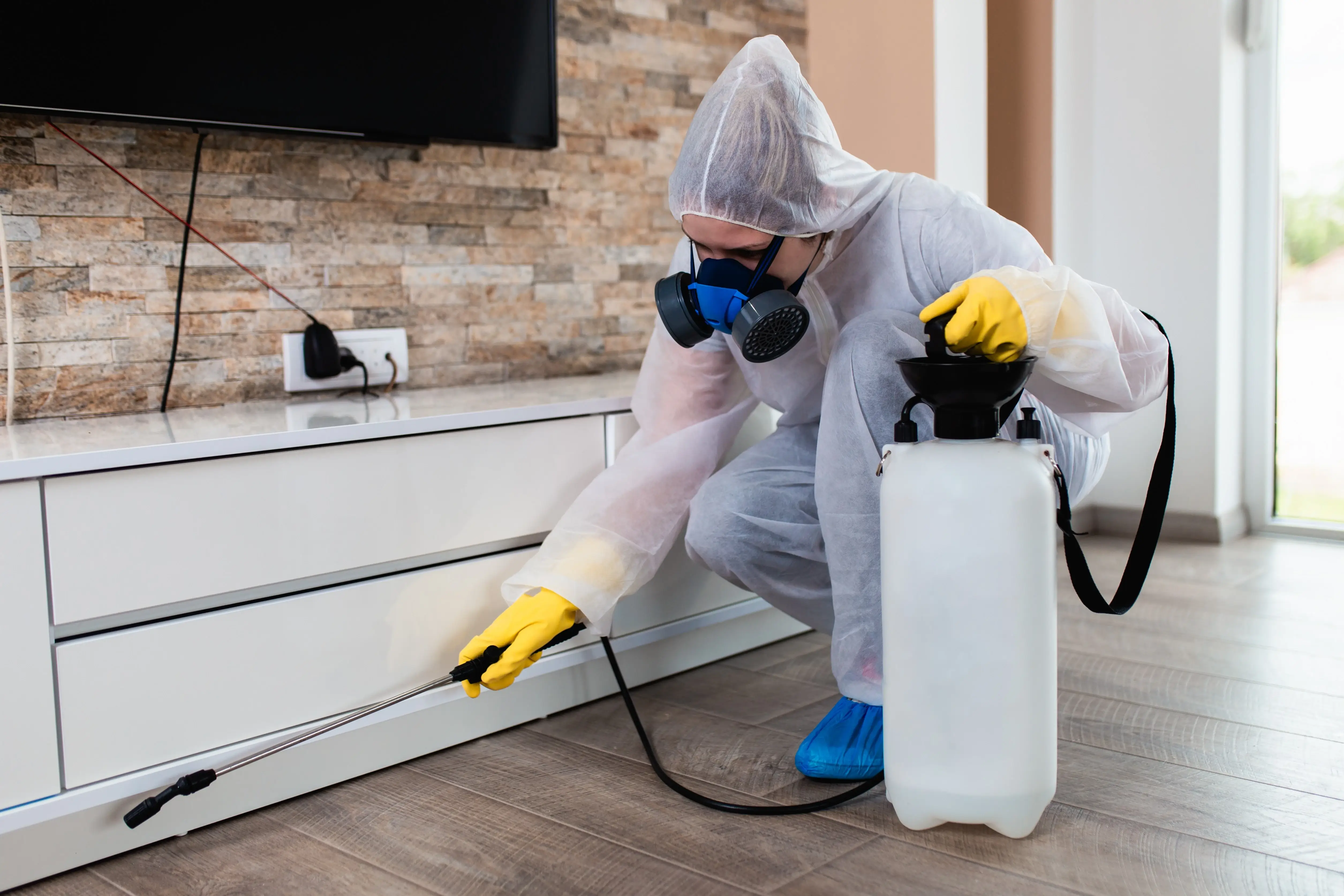
- Hire a licensed pest control professional if infestation covers multiple rooms.
- Repeat treatments every 7-10 days for a minimum of 3-4 cycles.
What Are Bed Bugs?
Bed bugs (Cimex lectularius) are wingless, oval-shaped insects roughly 5–7 mm in length. They are nocturnal feeders that inject an anticoagulant into the skin while drawing blood. A single female bed bug lays up to 500 eggs in her lifetime, making infestations grow rapidly if left untreated.
Bed bugs do not transmit diseases, but their bites cause intense itching, red welts, and sleep disruption. According to the EPA, bed bug infestations have increased by over 500% since the early 2000s, primarily linked to international travel and urban density.
What Are the Main Reasons for Bed Bugs?
- Travel and Hotels: Bed bugs hitchhike in luggage, clothing, and personal items. Staying in infested hotels is the number one cause of bringing bed bugs home.
- Second-Hand Furniture: Mattresses, sofas, and wooden furniture bought from resale markets frequently harbor bed bugs and eggs hidden in seams and joints.
- Multi-Unit Housing: Bed bugs migrate through wall cracks, electrical outlets, and shared pipes in apartments and dormitories.
- Used Clothing: Garments purchased from thrift stores can carry bed bug eggs that hatch once brought indoors.
- Visitors: Guests unknowingly carry bed bugs in their luggage or clothing, introducing them to previously clean homes.
What You Need Before You Start
- Heavy-duty garbage bags (for infested items)
- Vacuum cleaner with HEPA filter and crevice attachment
- Steam cleaner that reaches 120°C (248°F)
- Washing machine and dryer (set to highest heat)
- Diatomaceous earth (food-grade) or silica gel powder
- EPA-registered bed bug spray (e.g., Bedlam Plus, Temprid SC, or Crossfire)
- Zippered mattress and box spring encasements
- Flashlight and magnifying glass for inspection
- Protective gloves and a dust mask
How to Remove Bed Bugs: Step-by-Step Guide
Step 1: Inspect and Identify All Infested Areas: Strip all bedding and inspect mattress seams, box springs, bed frames, and headboards with a flashlight. Look for live bugs, rust-colored fecal stains, pale yellow shed skins, and tiny white eggs. Extend the inspection to nearby furniture, electrical outlets, and baseboards within 1.5 meters of the bed.
Step 2: Declutter and Contain Infested Items: Place all infested soft items directly into sealed plastic bags before moving them. Transport bags immediately to the washer. Never move infested furniture to other rooms without sealing it first; this spreads the infestation.
Step 3: Wash and Dry All Fabric Items on High Heat: Wash all bedding, clothing, and curtains at 60°C (140°F) or higher. Dry on the highest heat setting for at least 30 minutes. Bed bugs and eggs die at temperatures above 45°C (113°F) sustained for 90 minutes.
Step 4: Vacuum All Infested Surfaces Thoroughly: Vacuum mattress seams, bed frame joints, baseboards, carpet edges, and wall cracks using a crevice attachment. After vacuuming, seal the vacuum bag in a plastic bag and dispose of it outside the home immediately.
Step 5: Steam Treat Mattresses, Furniture, and Floor Cracks: Apply a steam cleaner at 120°C (248°F) directly to mattress seams, sofa cushions, and carpet edges. Move the wand slowly about 30 cm per second so lethal heat penetrates fabric layers. Steam kills all life stages including eggs with no chemical exposure.
Step 6: Apply Insecticide or Desiccant Dust: Apply diatomaceous earth along baseboards, inside wall outlets, and in furniture joints. For faster results, spray an EPA-registered product like Bedlam Plus or Crossfire on mattress seams and bed frame crevices. Allow all treated surfaces to dry completely before use.
Step 7: Encase Mattress and Box Spring: Install a zippered, bite-proof mattress encasement and a separate box spring encasement right after treatment. Encasements trap surviving bed bugs inside, where they starve within 12–18 months. Use encasements specifically rated for bed bugs.
Step 8: Repeat Treatment Every 7-10 Days: Bed bug eggs take 6-10 days to hatch, so one treatment is never enough. Repeat vacuuming, steaming, and insecticide application every 7-10 days for at least 3-4 full cycles. Confirm elimination only after zero live bug sightings for 21 consecutive days.
Bed Bug Removal at a Glance
| Task | Method | Frequency | Time Needed |
| Washing bedding | Hot wash + dry (60°C+) | Every 7–10 days | 45–90 min |
| Vacuuming | HEPA vacuum all surfaces | Every 7–10 days | 30–60 min |
| Steam treatment | 120°C steam cleaner | Every 7–10 days | 30–45 min |
| Insecticide spray | EPA-approved spray | Every 7–10 days | 20–30 min |
| Desiccant dust | Diatomaceous earth | Once (reapply if disturbed) | 15–20 min |
| Mattress encasement | Zippered bed bug cover | One-time installation | 10–15 min |
| Full elimination | All methods combined | 3–4 treatment cycles | 2–4 weeks total |
How Long Does Bed Bug Removal Take?
Complete elimination takes 2-4 weeks with DIY methods. Professional heat treatment can eliminate an infestation in a single 6-8 hour session by raising room temperature to 57°C (135°F). Mild infestations caught early resolve in 2 weeks. Severe infestations across multiple rooms may require 6-8 weeks and professional support.
How Often Should You Inspect for Bed Bugs?
Inspect your bedroom every 30 days if you travel regularly or live in a multi-unit building. After confirmed elimination, inspect every 3 months for 12 months. Use bed bug interceptor traps placed under bed legs for passive 24-hour monitoring.
Conclusion
Bed bugs spread through travel, second-hand items, and shared buildings not through poor hygiene. Removing bed bugs requires consistent heat, vacuuming, steam, and insecticides over 2-4 weeks.
For persistent infestations in Dubai, professional Bed Bug Treatment in Dubai services from Allied Pest Control provide guaranteed elimination using certified heat treatment and EPA-approved insecticides. Contact Allied Pest Control today for a free inspection.
Frequently Asked Questions (FAQ)
What is the fastest method to remove bed bugs?
The fastest method is professional heat treatment. It raises room temperature to 57°C (135°F) for 2-3 hours, killing all bed bugs and eggs in a single session. DIY methods take 2-4 weeks with repeated treatments.
Can you get rid of bed bugs in one treatment session?
Eliminating bed bugs in one session is only possible with professional whole-room heat treatment. Chemical sprays cannot kill eggs, which hatch 6-10 days later. DIY methods always require a minimum of 3 repeated treatments spaced 7-10 days apart.
What are the best products to kill bed bugs?
The best products include Bedlam Plus, Crossfire Bed Bug Concentrate, and Temprid SC all EPA-registered insecticides. Food-grade diatomaceous earth works as a long-lasting desiccant. Steam cleaners above 120°C are the safest option for mattresses and furniture.
What is the most common challenge when removing bed bugs?
The biggest challenge is eliminating eggs, which insecticides cannot penetrate. Eggs hatch 6-10 days after treatment and restart the infestation if follow-up is skipped. Missing hidden spots inside wall outlets, under baseboards, and inside furniture joints is the second most common reason treatments fail.
What should I do first if I discover bed bugs?
The first step is to contain the infestation immediately. Strip and bag all bedding in sealed plastic bags before washing. Do not move infested items to other rooms. Begin heat-based treatment washing, drying, and steaming within the same day.