Finding pests in your home is stressful, especially during pregnancy when your baby’s safety comes first. Many expectant mothers worry about whether pest control treatments could cause harm. The good news is that pest control can be safe during pregnancy when proper precautions are followed, but not all treatments are created equal.
Some treatments require extra care, particularly in the first trimester, as certain chemicals may pose risks. At Allied Pest Control, we use safe, low-toxicity solutions and careful planning to help protect both mother and baby while effectively eliminating pests. This comprehensive guide covers everything expectant mothers need to know about safe pest control during pregnancy.
Concerned about protecting your baby? Here’s exactly what you need to know.
Is It Safe to Have Pest Control While Pregnant?
Yes, pest control can be safe during pregnancy with proper precautions. The safest approach includes using non-toxic or low-toxicity treatments, staying away from treated areas for 2-4 hours, and scheduling services during the second trimester when possible. Eco-friendly methods like heat treatment, traps, and botanical pesticides pose minimal risk. Always inform your pest control provider about your pregnancy so they can select the safest products and application methods.
Understanding Pesticide Risks During Pregnancy
How Chemicals Affect Fetal Development
Pesticides contain active ingredients designed to disrupt pest nervous systems and biological functions. Unfortunately, some of these chemicals can cross the placental barrier and potentially affect your developing baby.
Research shows that exposure to certain pesticides during pregnancy may be linked to:
- Developmental delays in children
- Reduced birth weight
- Premature birth
- Respiratory issues in newborns
- Neurological development concerns
The first trimester (weeks 1-12) represents the highest risk period because your baby’s organs, brain, and nervous system are forming. The second and third trimesters carry lower risk but still require caution.
Most Common Pesticide Categories
Organophosphates: Used in some insecticides; linked to developmental concerns. Avoid during pregnancy.
Pyrethroids: Synthetic chemicals in many household pest sprays; moderate toxicity requiring precautions.
Neonicotinoids: Newer insecticides with lower mammalian toxicity but limited pregnancy-specific research.
Rodenticides: Extremely toxic anticoagulants that can cause severe harm; completely avoid during pregnancy.
Understanding these categories helps you make informed decisions about which treatments to accept or decline.
Low-Risk vs. High-Risk Treatments
Low-risk options safe for pregnancy:
- Heat treatment for bed bugs
- Physical traps and barriers
- Food-grade diatomaceous earth
- Essential oil-based repellents
- Boric acid in controlled applications
- Sticky traps and mechanical devices
High-risk treatments to avoid:
- Fumigation with toxic gases
- Organophosphate insecticides
- Strong chemical foggers
- Rodent poisons
- Unventilated spray applications
- Products without safety data sheets
Always request detailed product information before agreeing to any treatment.
Safe Pest Control Methods for Pregnant Women
Eco-Friendly and Non-Toxic Treatments
Modern pest control offers effective alternatives to harsh chemicals that work beautifully during pregnancy.
Botanical pesticides derived from plants like chrysanthemums provide natural pest elimination with minimal human toxicity. These break down quickly in the environment and leave no harmful residues.
Heat treatment uses elevated temperatures (50-60°C) to kill bed bugs and their eggs without any chemicals. This method is completely safe for pregnant women and highly effective.
Diatomaceous earth is a natural powder made from fossilized algae that kills insects mechanically, not chemically. Food-grade versions are safe even if accidentally ingested.
Integrated Pest Management (IPM) combines multiple low-toxicity strategies including sanitation, exclusion, and targeted treatments that minimize chemical exposure.
Physical Barriers and Preventive Measures
Prevention often eliminates the need for chemical treatments entirely.
Seal entry points with caulk, weatherstripping, and door sweeps to prevent pest access.
Install screens on windows and doors to keep flying insects out while maintaining ventilation.
Use mechanical traps for rodents instead of poison baits that contaminate your living space.
Maintain cleanliness by removing food sources, fixing leaks, and eliminating clutter where pests hide.
These methods create pest-free environments without exposing you to any chemicals.
Timing Your Pest Control Service
Strategic timing minimizes risk and maximizes safety during pregnancy.
Best timing: Second trimester (weeks 13-27) when organ development is complete and you have more energy.
Avoid if possible: First trimester when fetal vulnerability is highest and morning sickness may worsen with odors.
Third trimester consideration: Later pregnancy is safer than early pregnancy, but physical discomfort may make evacuation during treatment more challenging.
Emergency situations: If pests pose immediate health risks (disease carriers, allergens), treatment may be necessary regardless of timing with maximum safety precautions.
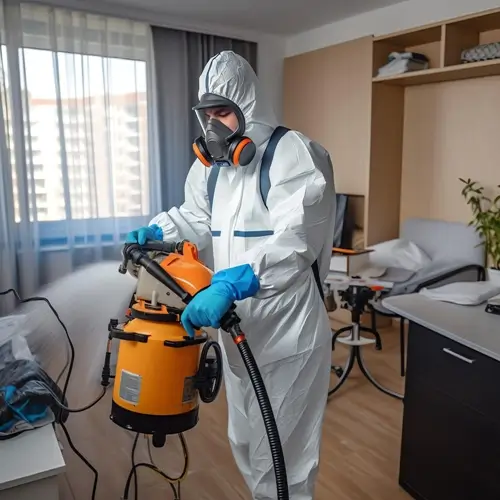
Step-by-Step Safety Protocol for Pest Control During Pregnancy
Step 1: Choose a Pregnancy-Aware Pest Control Company
Select providers experienced with pregnancy-safe treatments. Allied Pest Control maintains specialized protocols and products specifically for expectant mothers.
Verify the company uses eco-friendly options and can provide Safety Data Sheets (SDS) for all products. Ask about their pregnancy safety policies upfront.
Step 2: Schedule a Thorough Inspection
Professional inspection identifies pest type, infestation severity, and the safest treatment approach. This allows customized solutions using the least toxic methods necessary.
Request an inspection when you can be present to discuss concerns and ask questions about proposed treatments.
Step 3: Review All Products and Methods
Before treatment day, obtain complete product information including active ingredients, safety classifications, and pregnancy warnings.
Don’t hesitate to request alternative products if you’re uncomfortable with proposed chemicals. Reputable companies will accommodate pregnancy safety requests.
Step 4: Prepare Your Home Properly
Remove or cover food, dishes, utensils, and food preparation surfaces. Seal pet food and water bowls.
Clear treatment areas of personal items, toys, and anything that contacts your skin regularly. This prevents secondary exposure.
Step 5: Leave During Treatment Application
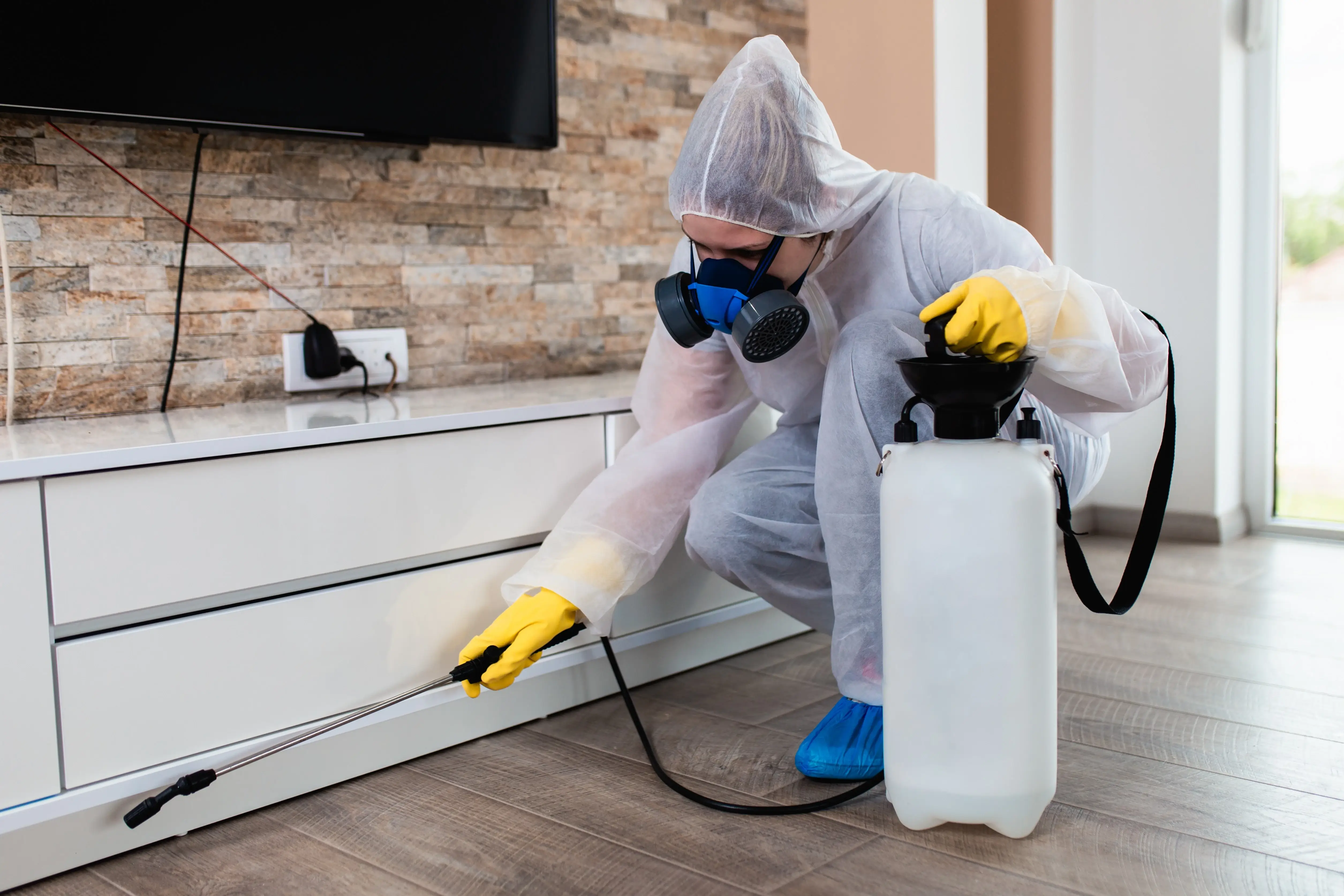
Evacuate your home 30 minutes before treatment begins. Stay away for 2-4 hours minimum, or longer if using stronger products.
Arrange comfortable accommodation with family or friends. Bring snacks, water, and entertainment to stay relaxed during waiting time.
Step 6: Ventilate Before Returning
Upon returning, open all windows and doors for 20-30 minutes to air out any residual odors or fumes.
Run ceiling fans and air conditioning to circulate fresh air throughout your home before settling back in.
Step 7: Clean Surfaces Thoroughly
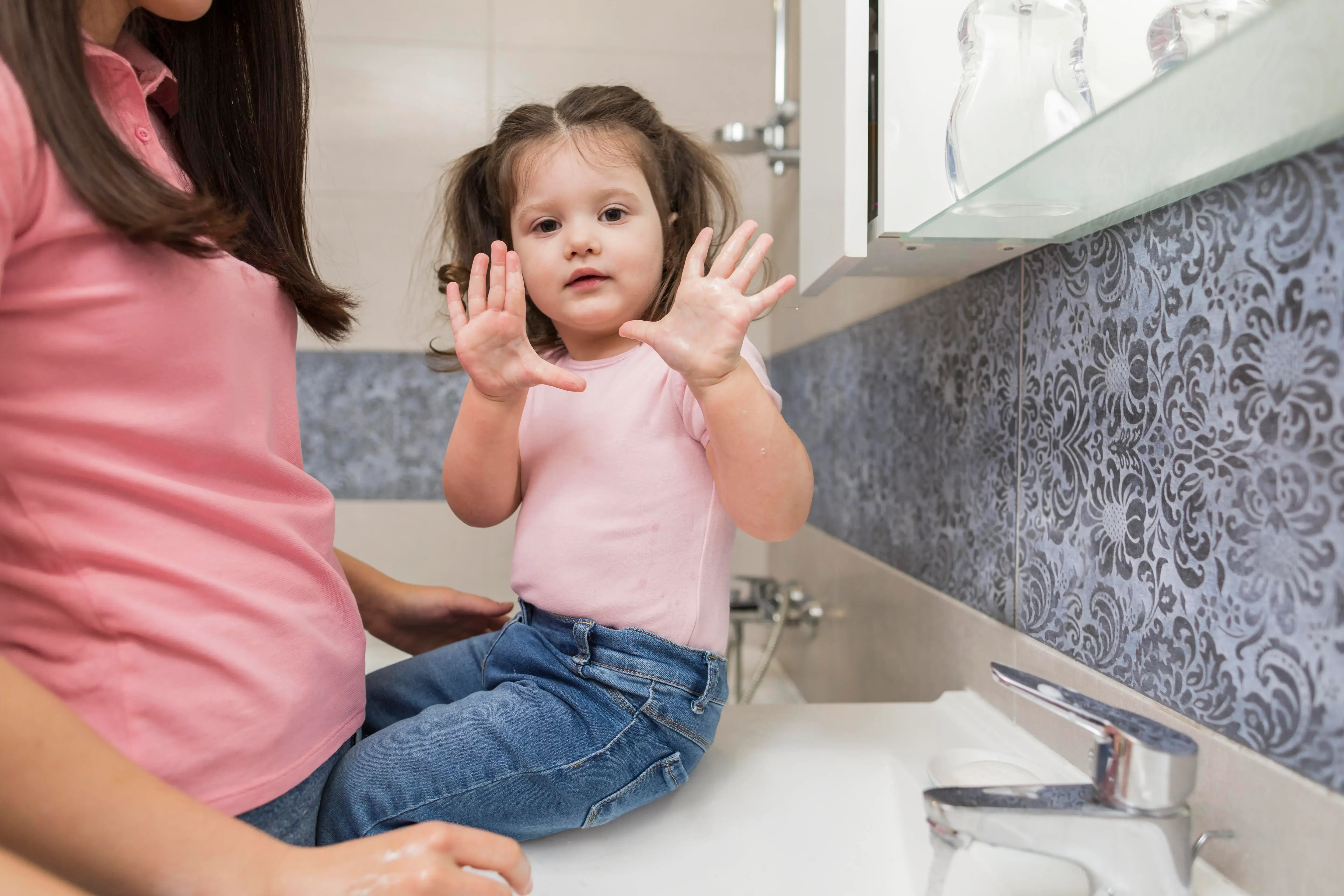
Wipe down all countertops, tables, and surfaces you regularly touch with warm soapy water.
Vacuum floors and wash any fabrics that may have come into contact with treatment products.
Benefits of Professional Pregnancy-Safe Pest Control
Complete pest elimination without chemical exposure. Specialized eco-friendly methods effectively remove pests while protecting maternal and fetal health.
Expert knowledge of safe product selection. Professional technicians understand which treatments are pregnancy-approved and which to avoid completely.
Reduced stress and physical strain. Professionals handle all treatment aspects, eliminating the need for pregnant women to lift, bend, or handle potentially harmful products.
Long-term prevention strategies. Comprehensive treatments prevent re-infestation, avoiding repeated exposure to chemicals during pregnancy.
Health protection from pest-borne diseases. Eliminating disease-carrying pests like mosquitoes, cockroaches, and rodents protects both mother and developing baby from illness.
Guaranteed results with follow-up support. Professional services include warranties ensuring pests don’t return, providing peace of mind throughout pregnancy.
Customized treatment timing. Companies work around your pregnancy timeline and schedule services during your safest trimester.
Common Mistakes Pregnant Women Make With Pest Control
Using DIY chemical sprays without research. Many over-the-counter pesticides contain pregnancy-unsafe ingredients. Home remedies seem convenient but often expose you to higher chemical concentrations than professional treatments.
Staying in the home during treatment. Even with “safe” products, temporary evacuation protects you from inhalation exposure during application when chemical concentrations are highest.
Not informing the pest control company about pregnancy. Technicians can’t select appropriate products or take extra precautions if they don’t know you’re pregnant. Always disclose this critical information.
Ignoring pest problems hoping they’ll resolve naturally. Delayed treatment allows infestations to worsen, eventually requiring stronger chemicals or more extensive treatments that pose greater risks.
Returning home too quickly after treatment. Insufficient ventilation time means breathing concentrated chemical vapors. Wait the full recommended period before re-entering.
Handling treated areas immediately. Touching freshly sprayed surfaces transfers chemicals to your skin. Wait 24 hours and clean surfaces before contact.
Focusing only on chemical risks while ignoring pest health hazards. Living with cockroach allergens, rodent droppings, or disease-carrying mosquitoes creates its own pregnancy risks including respiratory issues and infections.
If you’re unsure, consultation with Allied Pest Control is free and helps you make informed decisions.
When Pest Control Cannot Wait During Pregnancy
Disease-Carrying Pests Requiring Immediate Action
Mosquitoes transmit Zika virus, dengue fever, and other diseases particularly dangerous during pregnancy. Zika causes severe birth defects making mosquito control urgent.
Rodents spread leptospirosis, hantavirus, and contaminate food surfaces with bacteria. Their urine and droppings create serious health hazards.
Cockroaches trigger asthma and allergies while carrying salmonella and E. coli. Their allergens affect respiratory health critical during pregnancy.
Bed bugs cause stress, sleep deprivation, and potential anemia from blood loss—all harmful during pregnancy. Psychological impact alone warrants immediate treatment.
In these situations, the health risks of living with pests outweigh carefully managed treatment risks.
Balancing Treatment Urgency With Safety
Work with your healthcare provider and pest control company to develop the safest possible treatment plan. Your doctor can provide specific guidance based on your pregnancy health.
Choose the least toxic effective treatment even if it requires multiple applications. Slower, safer methods are better than one-time harsh chemical treatments.
Consider temporary relocation if severe infestation requires stronger treatments. Staying with family for 48-72 hours provides complete protection during critical treatment periods.
Alternative Solutions and Natural Pest Deterrents
Safe DIY Prevention Methods
Seal entry points using pregnancy-safe caulk and weatherstripping to prevent pest access without chemicals.
Essential oil sprays made from peppermint, eucalyptus, or tea tree oil repel insects naturally. Dilute properly and test for personal sensitivity.
Vinegar and water solutions clean surfaces and deter ants without toxic residues. Safe for daily use throughout pregnancy.
Diatomaceous earth application in cracks and crevices kills crawling insects mechanically. Choose food-grade versions only.
Proper food storage in airtight containers eliminates pest attraction naturally without any products.
When to Call Professionals vs. DIY
Call professionals for: Active infestations, disease-carrying pests, structural pest damage, recurring problems despite DIY efforts, or any situation requiring chemical treatments.
Handle yourself: Minor prevention, sealing entry points, setting mechanical traps, cleaning and sanitation, and using food-grade natural deterrents.
What Your Doctor Needs to Know
Before scheduling pest control, discuss your situation with your obstetrician or midwife. Provide them with:
- Type of pest requiring treatment
- Proposed pest control methods and products
- Your current pregnancy trimester
- Any pre-existing respiratory or allergy conditions
Your healthcare provider can offer personalized advice based on your specific health circumstances and pregnancy progression.
Some doctors may recommend delaying non-urgent treatments until after delivery, while others approve eco-friendly methods at any stage.
Protect Your Growing Family With Safe Pest Control
Pregnancy shouldn’t mean living with pests that threaten your health and comfort. With proper precautions, product selection, and professional expertise, you can eliminate pest problems while keeping your baby completely safe.
The key is choosing experienced providers who prioritize pregnancy safety, using the least toxic effective methods, and following strict exposure prevention protocols. Don’t let fear of treatment prevent you from addressing legitimate pest health hazards.
Allied Pest Control specializes in pregnancy-safe pest management solutions, offering reliable and family-friendly treatments. For residents seeking trusted pest control services in Dubai, our expert team ensures safe, effective, and environmentally responsible solutions tailored to protect both mothers and babies.
Ready to create a pest-free, safe environment for your growing family? Contact Allied Pest Control today for a free pregnancy-safe consultation. Our team will assess your situation, recommend the safest treatment options, and schedule service at your convenience.
Call now or book online to receive a complimentary home inspection and 20% off pregnancy-safe treatments. Your baby’s health is our priority. Let’s protect it together.
Frequently Asked Questions About Pest Control During Pregnancy
Can I stay home during eco-friendly pest control treatments?
Even with non-toxic products, temporary evacuation is recommended during application. You can return after 2-3 hours with proper ventilation for maximum safety.
What trimester is safest for pest control services?
The second trimester (weeks 13-27) is generally safest as major organ development is complete. Always use pregnancy-safe products regardless of timing.
Are natural pest control products completely safe during pregnancy?
Most botanical and natural products are safer than synthetic chemicals, but “natural” doesn’t always mean risk-free. Always verify ingredients and use pregnancy-approved products only.
Can pest control chemicals affect my baby after birth?
Residual exposure risk is minimal with proper ventilation and surface cleaning. Eco-friendly treatments break down quickly, leaving no long-term contamination affecting your newborn.
Should I avoid my home for days after pest control treatment?
No, 2-4 hours is typically sufficient with modern low-toxicity treatments. Overnight stays are unnecessary unless fumigation or high-toxicity products are used (not recommended during pregnancy).
What should I do if I was exposed to pesticides while pregnant?
Contact your healthcare provider immediately with product details. Most single exposures cause no harm, but your doctor can monitor for any concerns and provide guidance.